
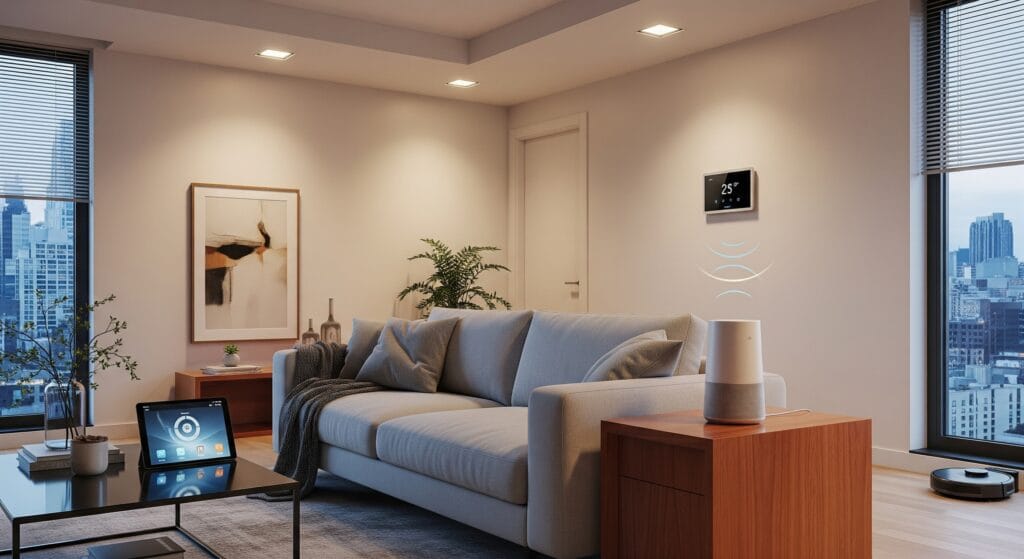
Have you ever left for work feeling disturbed by a recurring thought? “Did I forget to turn off the coffee maker?” Or, “Is the front door locked?” That moment of uncertainty can transform a peaceful journey into a stressful one. Many of us face uncertainty as a result of our extremely stressful lives. The minor discomforts—the lights left on, the thermostat set too high, the concern about home security while you’re away—can eat away at your peace of mind and your bank account.
But what would happen if you didn’t have to worry about such things anymore? What if your home could manage itself, giving you back control, convenience, and peace of mind?
This is the promise of home automation. A smart home is more than just a collection of interactive devices; it is an entirely connected system that links and controls all of your devices, including lighting and security. It’s a piece of modern technology designed to help you deal with your daily challenges while also enhancing your output and comfort. The question is no longer “what does a smart home do?” but rather “how can it transform the way you live?” Prepare to discover various benefits of a smart home, ranging from conserving your time to saving money and increasing your peace of mind.
The Core Benefits of a Smart Home
Convenience & Comfort
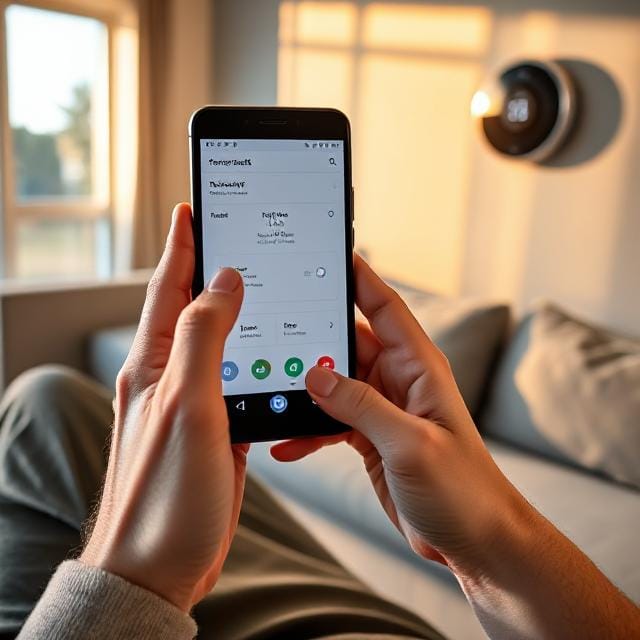
The top reason consumers adopt smart home technology is for the convenience it provides. Home automation improves daily life by automating routine tasks, allowing homeowners to reclaim precious time and energy. Appliances can be controlled via the internet by a smartphone or a voice assistant.
Imagine leaving for work and discovering that you left the restroom light on. Instead of going back, you may use an app to switch it off from anywhere. This level of control conveys a sense of seamless efficiency and ease.
The automation can be as simple as a single-task device, such as a smart thermostat, or as complex as a multitask system in which unlocking your door turns on the lights and starts playing your favorite music. This seamless experience saves an average of 30 minutes per day, which adds up to over 182 hours per year—roughly a week and a half of reclaimed time.
Security & Peace of Mind
The safety of a home is of paramount importance to homeowners, and smart home technology provides an enhanced layer of security. Automated security systems offer a comprehensive, round-the-clock way to monitor a property with motion sensors, cameras, and window/door sensors. Smart security cameras can detect people and send instant alerts to your phone, while video doorbells let you greet visitors remotely. Smart locks provide more control, allowing users to lock and unlock doors using an app and generate temporary PIN numbers for guests. The simple presence of smart home security cameras could discourage 40% of potential robbers. These preventive measures provide peace of mind whether you are at home or thousands of miles away. Many insurance companies offer discounts on payments by clients for residences with integrated security systems, which results in long-term savings.
Energy Efficiency & Cost Savings
One of the most significant and identifiable advantages of home automation is its capacity to reduce energy consumption and electricity expenses over time.
Smart thermostats are an excellent choice; they can identify your preferred settings and change temperatures themselves to save energy. They can also be controlled over the internet, so you can turn down the heat or air conditioning while you’re away. A smart thermostat can cut energy costs by up to 15%. Similarly, smart lighting can be programmed to turn on or off based on motion detection or routines, reducing the chance of leaving a light on by mistake. Home automation also combats “vampire energy,” which is the electricity that devices consume even though they are not in use. According to one survey, the average monthly savings from smart home devices is around $98.30, totaling $1,179.60 per year. These financial benefits are especially appealing to the 17% of men and 13% of women who use smart devices specifically to reduce their utility bills.

Boosting Home Value & Appeal
Investing in a smart home can be a wise financial decision. According to research, smart homes sell faster than standard houses, and an installed system can enhance the value of a home by at least $50,000. A large percentage of potential home buyers (70%) are actively looking for smart homes and are willing to pay more for them. This preference does not only apply to homeowners; 82% of renters want at least one smart device or system in their house. This trend represents home automation as a valuable asset and necessity instead of a luxury in the real estate business.
Emerging Trends in Smart Home Technology
The home automation market is always changing, and new trends promise to make automated homes even simpler and accessible.
The Power of AI: Truly Smart, Personalized Living
Artificial intelligence has supported this expansion by making smart home technology more user-friendly and efficient. Virtual assistants that use AI have gone beyond basic inquiries to understand users’ interests and automate certain tasks. This means that your home may learn your patterns and adjust the lighting, temperature, and even music to fit your preferences. It is also being linked into security systems, allowing cameras to discern between people, animals, and cars, resulting in a large reduction in false alarms. Furthermore, AI-driven predictive maintenance can notify homeowners of probable appliance faults before they occur, saving them time and money on unexpected repairs.
The Rise of Matter
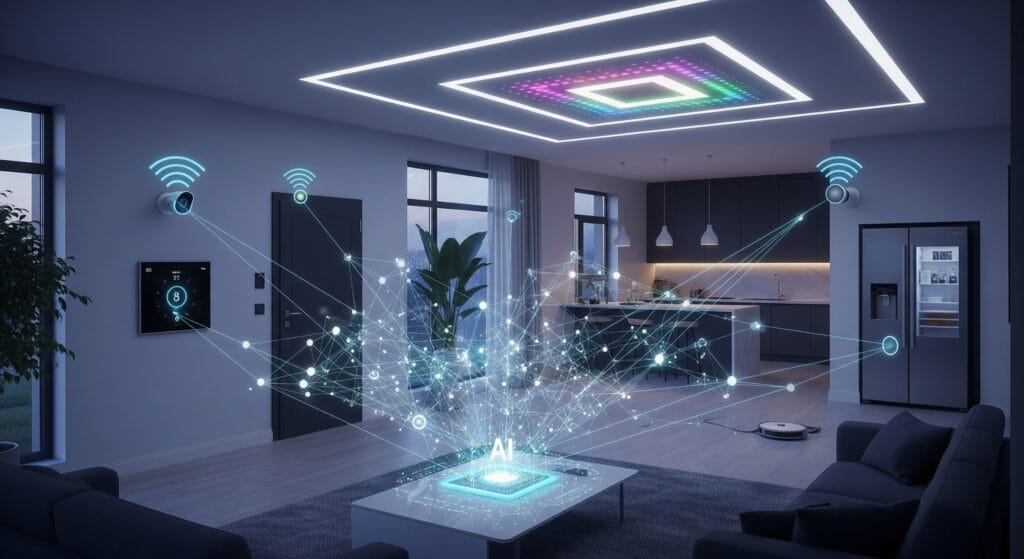
In the past, device incompatibility has been a significant barrier to home automation adoption. Various organizations and ecosystems have repeatedly failed to communicate, leaving users to browse many apps and hubs. With the launch of Matter, a unique international standard directrly addresed this issue established by digital titans including Google, Amazon, and Apple. Matter offers flawless interoperability across different devices, regardless of brand, letting a smart light from one business to seamlessly interact with a speaker from another. This universal standard streamlines the setup process, eliminates the need for different apps, and makes the smart home ecosystem far more accessible and future-proof for users.
A Realistic Look at the Challenges
However, there are numerous benefits, a balanced perspective requires acknowledging the potential downsides of home automation. The most common concerns are about cost, security, and technical complexity.
The upfront cost can be a barrier for some, with a full home upgrade that requires thousands of dollars. However, this initial investment is often offset by long-term savings on energy bills and increased home value.
Security and privacy are also valid concerns. Smart devices collect data on your habits and routines, and if not properly secured, they can be vulnerable to hacking. Hackers can gain access to a home’s controls or steal sensitive data.12 Furthermore, home automation systems rely heavily on a stable and fast internet connection, and an outage can cause a system to malfunction.
These challenges are not insurmountable. Many of the problems identified have clear solutions. To mitigate hacking risks, homeowners should choose devices with strong security features like encryption and two-factor authentication, use strong, unique passwords, and keep software updated. Or, technical issues, upgrading to a better wireless router or creating a separate network for smart devices can improve performance and security.
Your Smart Start: A Practical Guide to Getting Started
For those who consider home automation a complex and difficult process. The best approach is to “start small and scale up gradually”. This allows you to experience the benefits of the technology with a minimal investment and learn how it fits into your lifestyle. Begin by identifying a specific “annoyance” you want to solve. So you want to save on energy costs? Start with an ENERGY STAR-certified smart thermostat or smart lighting. Are you concerned about security? A smart doorbell or a single security camera is a great starting point. hese single, inexpensive devices serve as a low-risk entry point and provide a foundation for building a more complex system over time.
Conclusions
The analysis of the home automation market confirms that this is a dynamic and rapidly expanding sector. The consumers not only search for meaningful solution for real world problem, but they also require knowledge of the automated systems. The motivations for adoption are different, ranging from a desire for better security and convenience to a desire to save money and live an eco-friendlier lifestyle. The target market, particularly Millennials and Generation X, is technologically skillful yet careful, looking for content that is open, authoritative, and addresses their specific concerns about cost, privacy, and complexity.
Frequently Asked Questions (FAQs)
Is a smart home worth it?
For most people, yes. The convenience, increased security, and long-term energy cost savings justify the investment. The ultimate decision is based on your lifestyle and budget, but for those looking for a more efficient and stress-free home, the benefits frequently outweigh the price.
Can a smart home be hacked?
Yes, like any internet-connected device, a smart home can be hacked if the security protocol is inadequate. However, by following best practices—using strong passwords, keeping software updated, and purchasing from reputable brands—you can significantly mitigate these risks.
How much does home automation cost?
The cost varies widely depending on the system’s complexity. Individual products can be affordable, but a complete home automation system might cost thousands of dollars. However, the initial installation cost usually gets recovered over time through energy savings and chances for increased property and market value.