
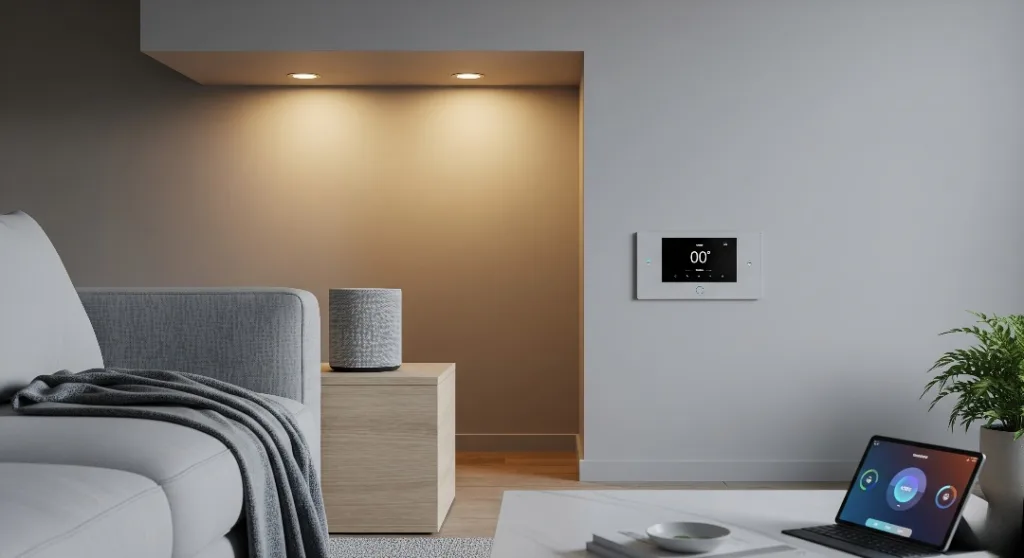
The modern home is evolving quickly as smart home devices and systems are changing. Whether you’re interested in technology or just looking for ways to make everyday life simpler, today’s connected home provides many benefits, like convenience, security, and energy savings.
Smart home technology has evolved a lot from just using remote controls. Now, you can have lights that you can control with your voice and that can change based on how you’re feeling. Some thermostats use AI to figure out what you prefer.
In 2025, the most advanced smart home systems can operate on their own and use AI to predict what you might need before you even ask.
Let’s explore how these smart systems can change your home and help you create a fully connected living experience.
- What Are Smart Home Devices and Why Do They Matter?
- Essential Smart Home Device Categories
- Choosing the Right Smart Home System
- Smart Home Automation Ideas and Real-World Applications
- Advanced Smart Home Features for 2025
- Common Smart Home Challenges and Solutions
- Future Trends in Smart Home Technology
- Frequently Asked Questions
- Getting Started with Your Smart Home Journey
What Are Smart Home Devices and Why Do They Matter?
Smart home devices are internet-connected gadgets that can be controlled remotely through smartphones, tablets, or voice commands. These devices communicate with each other through your home’s Wi-Fi network, creating an integrated ecosystem that responds to your needs automatically.
The real magic happens when individual devices work together as a comprehensive home automation system. Instead of controlling each device separately, you can create scenarios where multiple devices respond to a single command or trigger.
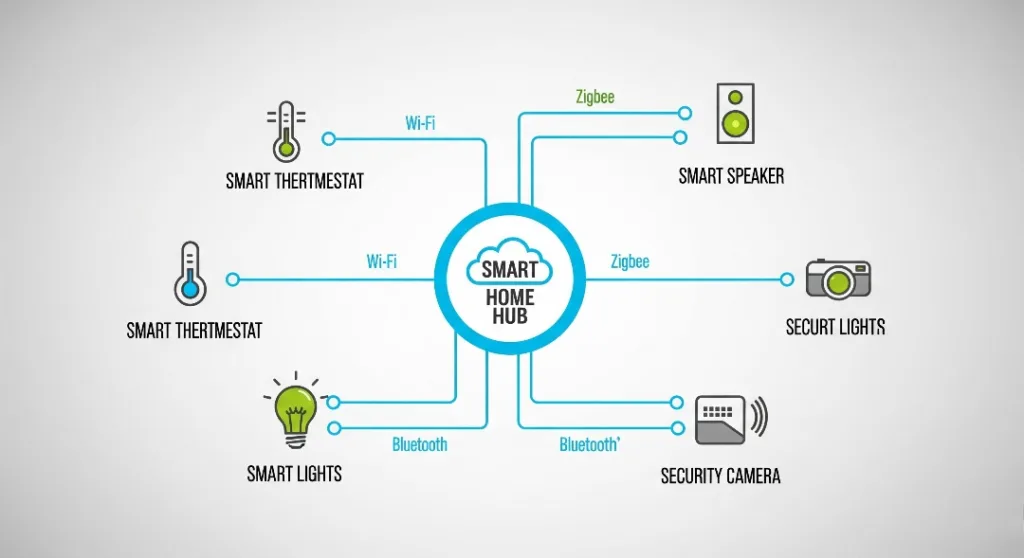
The Evolution of Home Automation
Traditional home automation used to need complicated wiring and costly professional help to set up. Now, things have changed so much:
Wireless technology has made it easy to set up a smart home, so you don’t need a lot of rewiring.
Cloud-based processing allows devices to learn from usage patterns and update automatically with new features.
AI integration has transformed reactive systems into predictive ones. Advanced AI systems can now adapt and learn based on your daily habits, making automation feel natural instead of designed.
Modern smart homes don’t just respond to commands—they anticipate needs. Your system might automatically dim the lights and lower the temperature as your usual bedtime approaches, or gradually brighten the morning lighting before your alarm sounds.
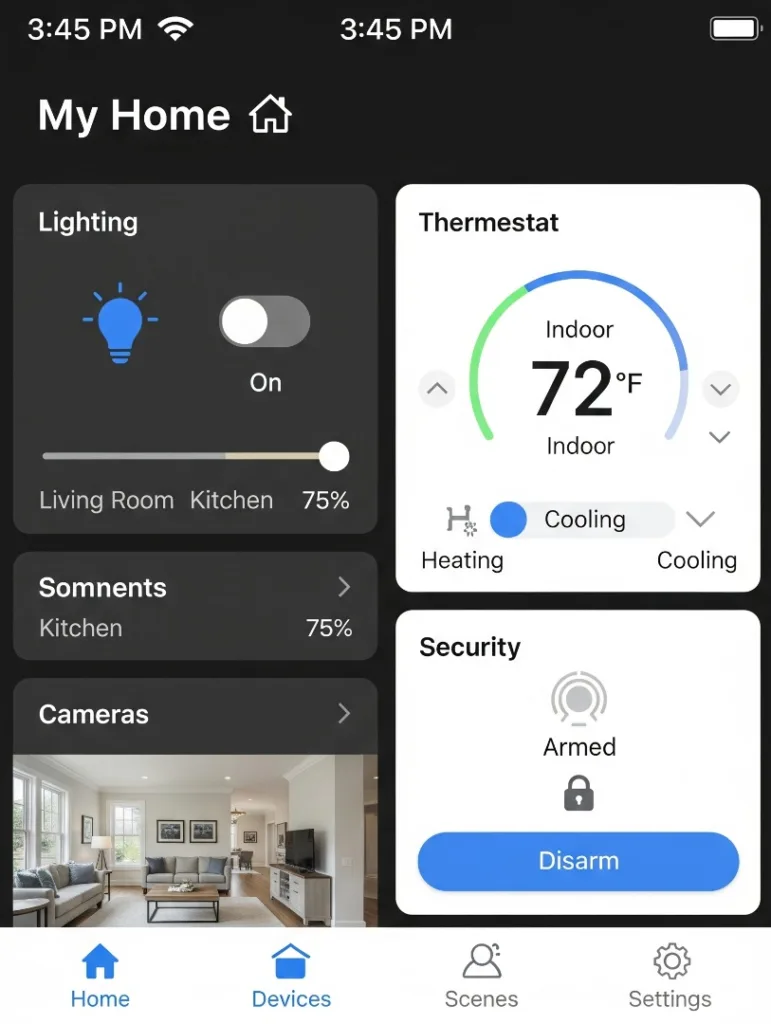
Essential Smart Home Device Categories
Smart Speakers and Voice Assistants
Voice assistants serve as the central command hub for most smart home ecosystems. The leading smart home automation systems in 2025 include Amazon Alexa, Google Home (Google Nest), Apple HomeKit, and Samsung SmartThings.
Amazon Alexa remains the most compatible voice assistant, working with thousands of third-party devices. The newest Echo devices have better sound and quicker responses, and Alexa routines can start complicated automation tasks with just a simple voice command.
Google Assistant is great at understanding natural language and knowing the context of conversations. It works well with Android phones and other Google services, which makes it a good choice for people who already use Google products.
Apple HomeKit, using strong encryption throughout the system, offers the safest way to manage a smart home.
It delivers a very smooth and refined experience for users of iPhones and iPads. However, it supports fewer devices compared to other options.
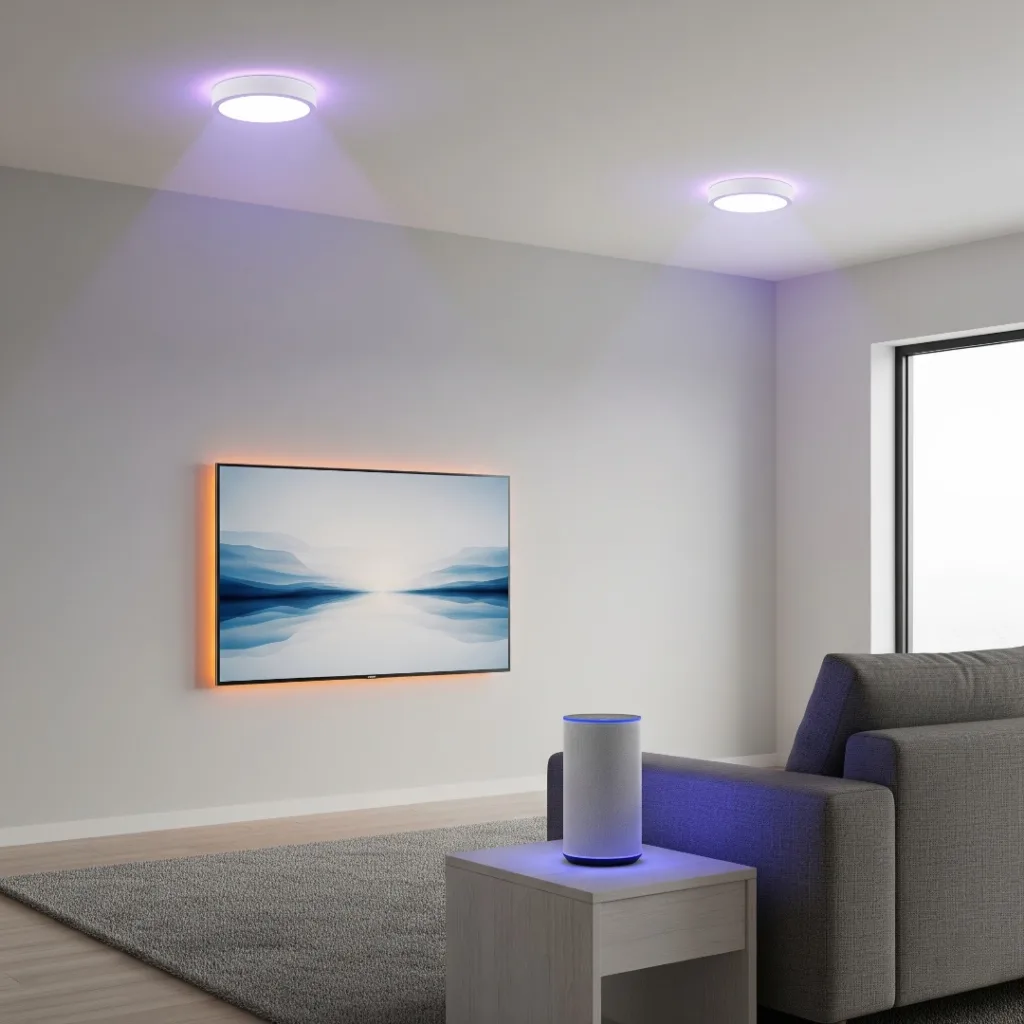
Smart Lighting Systems
Intelligent lighting goes far beyond simple on/off switches. Modern smart light bulbs and switches offer:
Color temperature adjustment that matches your circadian rhythm, providing energizing cool light during the day and warm, relaxing tones in the evening.
Motion-activated lighting illuminating pathways automatically enhances both convenience and security.
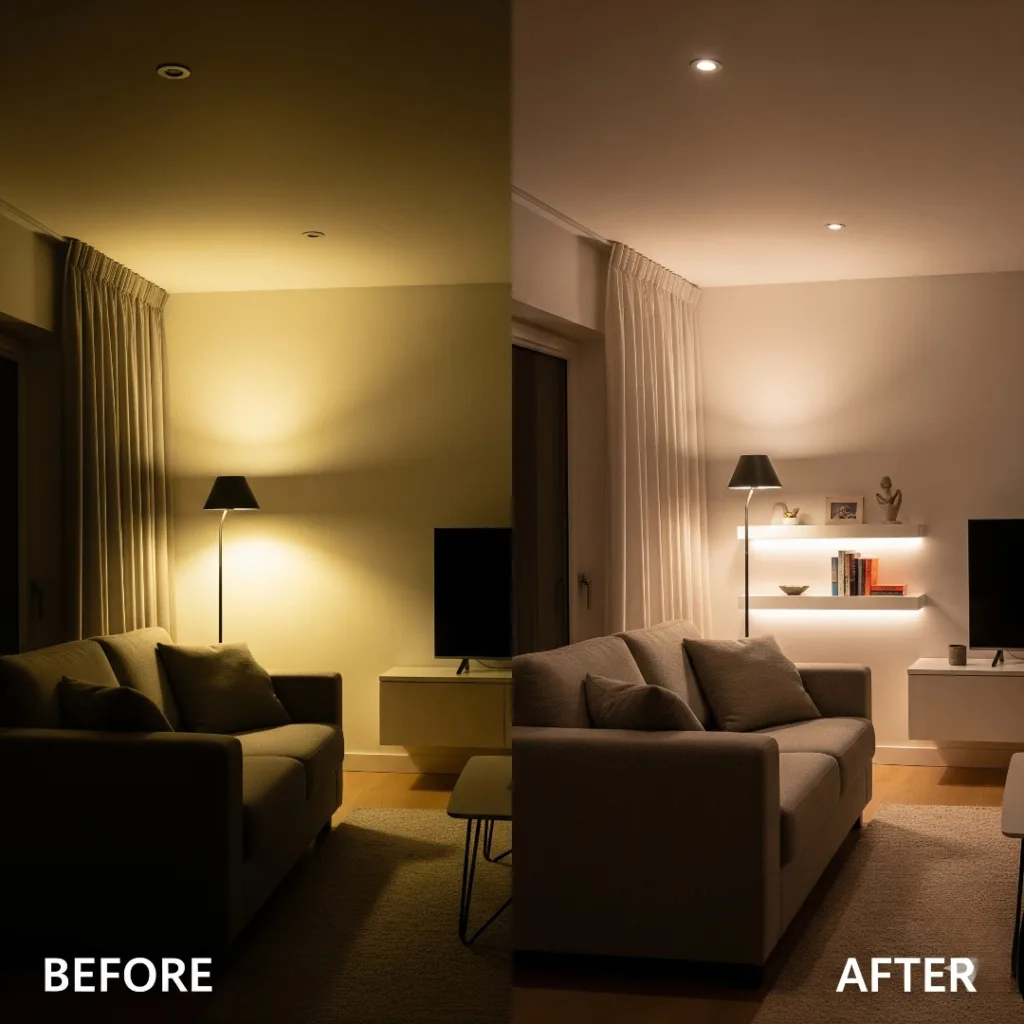
Scene programming allows you to create perfect lighting for different activities—bright task lighting for reading, dim ambient lighting for movie nights, or vibrant colors for parties.
Popular systems like Philips Hue, LIFX, and Nanoleaf offer extensive customization options and smartphone app control. Now guests can operate the lights normally, making sure that the newer switches also include traditional manual controls.
Smart Thermostats and Climate Control
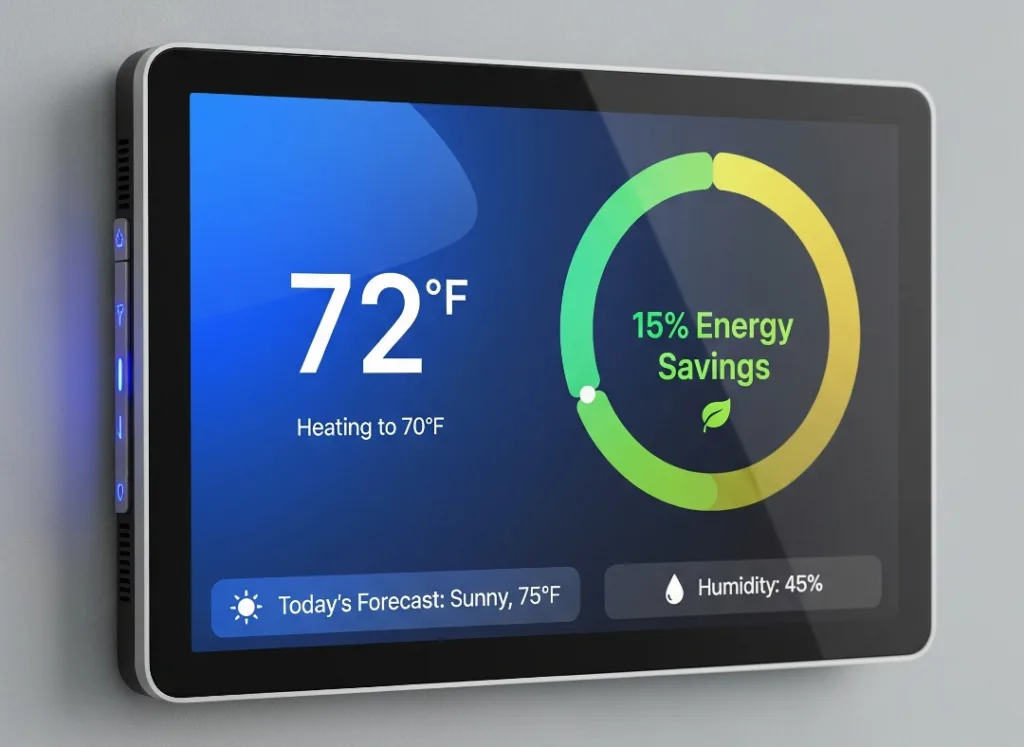
Smart thermostats usually pay through energy savings within the first year, and represent one of the most impactful smart home investments.
Learning capabilities allow these devices to understand your schedule and temperature preferences automatically. The system recognizes when you typically leave for work and return home, adjusting temperatures accordingly without manual programming.
Geofencing technology uses your smartphone’s location to trigger temperature adjustments. The system can begin warming your home as you drive back from vacation or switch to energy-saving mode when everyone leaves for the day.
Energy reporting provides detailed insights into heating and cooling usage, helping identify opportunities for additional savings.
Leading models include the Nest Learning Thermostat, Ecobee SmartThermostat, and Honeywell Home T9, each offering unique features like room sensors for multi-zone climate control.
Home Security and Monitoring
As home security concerns have been increasing, many of the best smart home devices in 2025 are designed to keep homes safe, featuring advanced capabilities such as facial recognition, live streaming, and AI-based alerts.
Smart security cameras have evolved beyond simple recording devices. Modern systems offer:
AI-powered person detection that distinguishes between family members, delivery drivers, and potential intruders, reducing false alarms significantly.
Package detection alerts you when deliveries arrive and can differentiate between packages and other objects.
Two-way audio allows real-time communication even when you’re away from home with visitors or intruders.
Video doorbells combine security monitoring with visitor management. Ring Video Doorbell Pro and Arlo Essential Video Doorbell are the advanced models that offer crystal-clear video, reliable motion detection, and seamless smartphone integration.
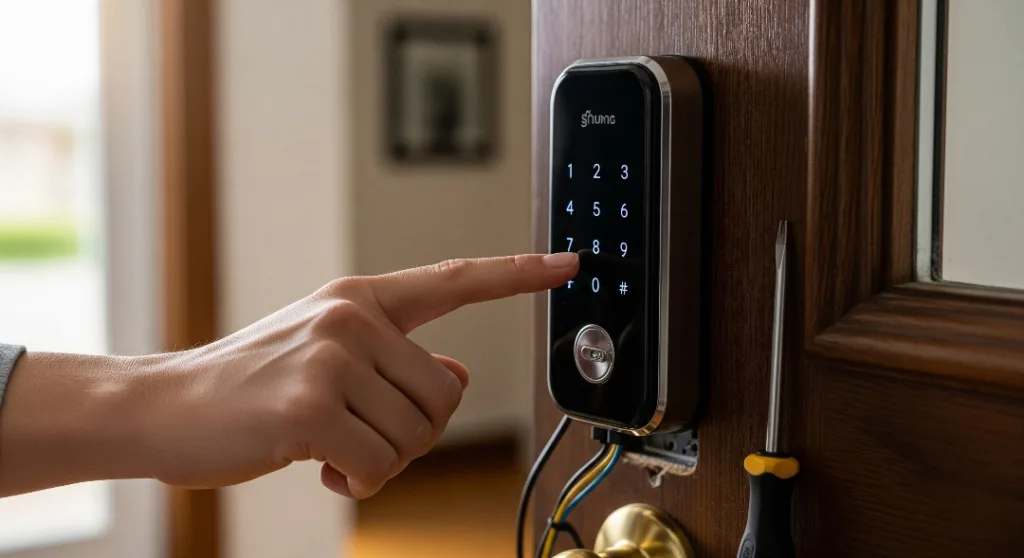
Smart locks provide keyless entry with multiple access methods—smartphone apps, numeric keypads, or traditional keys as backup. Many models integrate with security systems and can automatically lock when you leave your home.
Kitchen and Appliance Automation
With AI-powered appliances, the kitchen is becoming a hub of automation, making cooking easier and more efficient. Smart ovens, refrigerators, and coffee makers can now learn user preferences and automate tasks.
Smart refrigerators help track what’s inside, remind you when food is about to expire, and even make shopping lists. Some models can recommend recipes based on what’s available, and they have cameras so you can check the contents without opening the door while you’re shopping.
Intelligent ovens recognize food types and automatically adjust cooking settings for optimal results. Steam injection, convection adjustment, and precise temperature control ensure consistent cooking results.
Connected coffee makers can begin brewing as your morning alarm sounds, and some models integrate with sleep tracking apps to time brewing with your natural wake patterns.
Smart Entertainment Systems
Home entertainment has improved by connecting devices smoothly and using voice control.
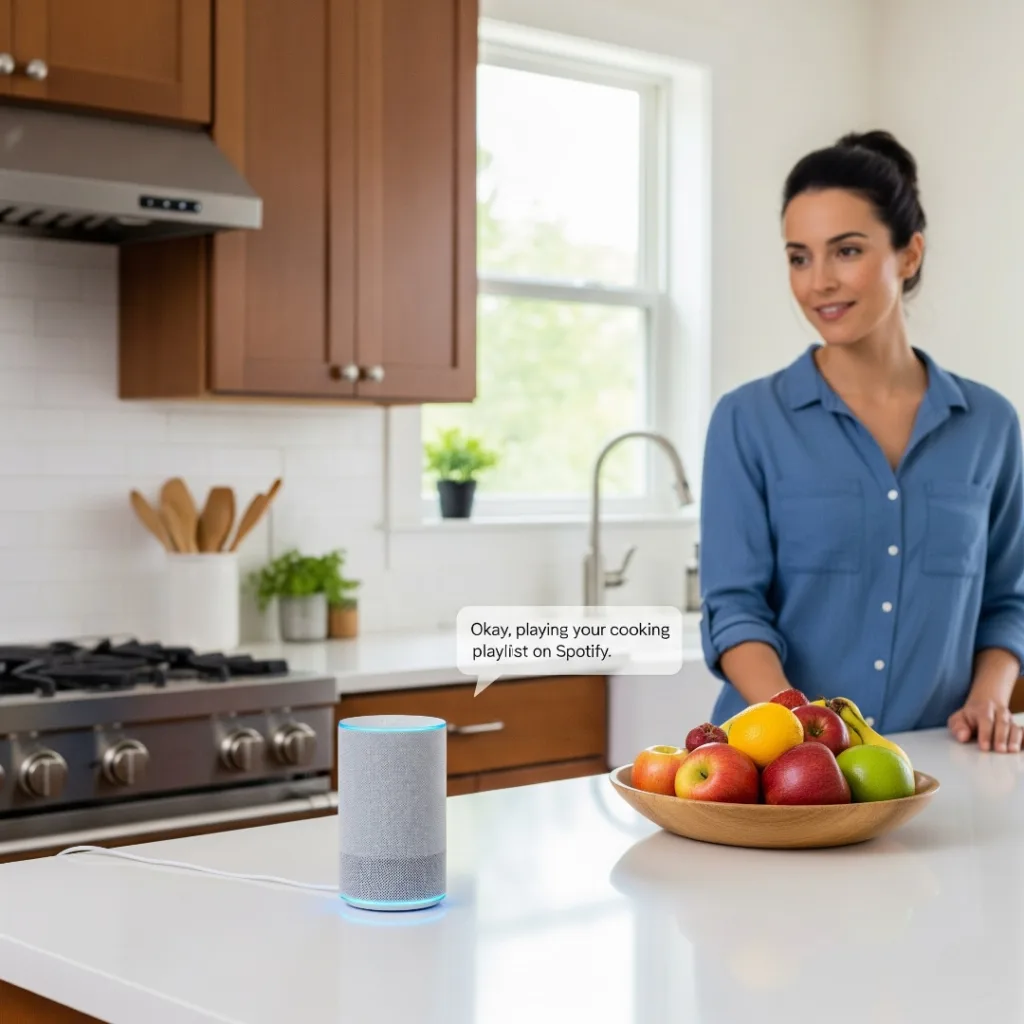
Smart TVs and streaming devices can be controlled with voice commands to search for content, adjust volume, and manage playback. They can also work with smart speakers, letting you control them without touching anything, from anywhere in the room.
Whole-home audio systems distribute music throughout your living space with synchronized playback and individual room control. Systems like Sonos, Bose, and Audio Pro offer exceptional sound quality with simple smartphone control.
Automated home theaters can dim lights, adjust temperature, and activate surround sound systems with single commands or smartphone taps.
Choosing the Right Smart Home System
Ecosystem Compatibility
The most important decision when building a smart home is selecting your primary ecosystem. Amazon products work better if they’re in the same ecosystem, and the same holds with other platforms.
Amazon Alexa offers the broadest device compatibility and third-party integration options. If you frequently use Amazon services, shop on Amazon regularly, or listen to Audible, Alexa provides seamless integration with your existing digital life.
Google Assistant is especially great for people who use a lot of Google services such as Gmail, Google Calendar, and YouTube. Its natural language processing is really strong, which makes talking to it feel more like a real conversation.
Apple HomeKit is ideal for iPhone users who prioritize privacy and security. The user experience is exceptionally polished and secure. While device selection is more limited,
Budget Considerations
Setting up a smart home doesn’t need a big initial cost. You can start with a few devices and add more gradually.
For a simple setup that costs between $200 and $500, include a smart speaker, basic light controls, and a smart thermostat.
These items help reduce your energy bills and provide quick convenience.
If you want a more advanced system, you can add security cameras, smart locks, and more lighting controls throughout your home, which costs between $500 and $1500.
You’ll get whole-home audio systems, advanced security features, smart appliances, and professional installation for more complex installations, a complete smart home setup costing $1500 or more.
Professional vs DIY Installation
Most smart home devices are made to be simple to install yourself without needing professional help. DIY smart home systems like Samsung SmartThings Station have become top picks for home automation enthusiasts.
DIY-Friendly Devices: Smart speakers, plugs, light bulbs, security cameras, and most sensors require no special wiring or technical expertise.
Professional installation is recommended: Whole-home audio systems, smart switches requiring electrical work, and comprehensive security systems benefit from professional setup.
Hybrid Approach: Many homeowners handle basic device installation themselves while hiring professionals for electrical work and complex integrations.
Smart Home Automation Ideas and Real-World Applications
Morning Routine Automation
Set up a “Good Morning” scene that slowly turns on the bedroom lights, begins making coffee, shares the weather forecast through smart speakers, and adjusts the thermostat to a pleasant temperature. This automation can start at set times or turn on when movement is detected in certain areas.
Energy Efficiency Scenarios
Implement “Away Mode” automation that turns off unnecessary lights, adjusts thermostats to energy-saving temperatures, and activates security monitoring when everyone leaves home. Geofencing technology ensures the system recognizes when family members return and begins preparing the house accordingly.
Evening Wind-Down Routines
You can lower the temperature to a convenient level for sleeping, turn down the lights in your home, lock all exterior doors, and turn on the security system by setting up an evening routine. You can easily start all these actions at once by using a simple voice command like “Goodnight.”
Seasonal Adaptations
Smart homes can automatically adjust to seasonal changes. Gradually shift lighting color temperatures as seasons change, modify thermostat schedules for changing daylight hours, and activate or deactivate specific devices based on weather conditions.
Entertainment Integration
Create movie night scenarios that dim lights, adjust temperature, activate surround sound systems, and switch entertainment devices to appropriate inputs. Party modes can synchronize lighting colors with music and adjust audio throughout the home.
Advanced Smart Home Features for 2025
Predictive AI and Machine Learning
Smart homes of the future will know what you want before you even ask, with advanced AI systems that adapt and learn based on your daily habits.
Modern systems analyze usage patterns to anticipate needs. Your thermostat might begin adjusting temperature ten minutes before you typically change it manually. Lighting systems can gradually increase brightness thirty minutes before your usual wake time, creating more natural morning routines.
Health and Wellness Integration
Modern smart houses are actively monitoring their residents’ health by using advanced sensors and automation to make optimal living environments, with advanced air quality tracking systems built into more sophisticated setups.
Smart homes now monitor air quality, humidity levels, and even sleep patterns to optimize living conditions automatically. Connecting your home to fitness trackers and health apps lets it adjust based on your body condition and how active you are.
Enhanced Security Through AI
Advanced security systems use machine learning to distinguish between normal and suspicious activities. Facial recognition technology can identify family members, regular visitors, and unknown individuals, providing appropriate responses for each situation.
Interoperability and Standards
Smart home devices in 2025 are built around interoperability and seamless communication, making incompatible devices a thing of the past.
Different manufacturers work together with new industry standards like Matter (formerly Project CHIP). This eliminates the frustration of discovering that, new device won’t communicate with existing systems.
Common Smart Home Challenges and Solutions
Network Reliability Issues
Problem: Smart devices become unresponsive when Wi-Fi networks are overloaded or unstable.
Solution: To use your smart home efficiently, think about getting a mesh Wi-Fi system. Brands like Google Nest Wi-Fi and Eero Pro provide better coverage in larger homes and can give priority to the internet traffic from your smart devices.
Device Compatibility Concerns
Problem: New devices may not work well with your current smart home system.
Solution: Check if the item works with your main system before buying it, or confirm that it can operate well with other systems.
Privacy and Security Issues
Problem: People worry about how their data is collected and the risk of security threats.
Solution: Keep your device’s software up to date, use strong passwords, turn on two-factor authentication, and check your privacy settings often.
Choose devices from companies that have a strong track record of keeping data safe.
Overwhelming Complexity
Problem: Trying to manage many apps and systems can make things confusing and hard to handle.
Solution: Begin with a few essential devices and slowly add more as needed.
Focus on one system instead of using different platforms and pick devices that work well together.
Future Trends in Smart Home Technology
Quantum Security Encryption
Quantum encryption relies on the rules of quantum physics to secure smart home devices.
It creates entirely random keys that cannot be copied or stolen without being detected.
Autonomous Home Management
In the future, smart homes will work on their own, making decisions about energy use, security, and upkeep without needing human input.
These homes will also be able to predict when something might break and arrange for repairs before any problems occur.
Enhanced Voice Recognition
Future voice assistants will be able to recognize different family members by their voices.
This will allow to provide user-specific responses and access the correct information for each person.
Seamless Mobile Integration
Smart home systems will be more connected to smartphones and wearable devices.
New features like gesture controls and better awareness of your environment will make using these systems feel more natural and simpler.
Frequently Asked Questions
What’s the best smart home system for beginners?
Amazon Alexa is the easiest choice for smart home newcomers because it works with a wide range of devices and has a simple setup process.
Begin with an Echo Dot and a few smart plugs to try out simple automation, and then add more advanced devices as needed.
How much does it cost to set up a smart home?
Starting with basic automation, you can expect to spend about $200 to $300 on key items like smart speakers, plugs, and bulbs.
If you want a full smart home system, the cost can go from $1,500 to $10,000 or more, depending on how big your home is and what features you want.
Are smart home devices safe?
Most modern smart home gadgets have several security features, such as encryption, regular updates, and login checks.
To keep your setup secure, pick products from trusted brands and make sure you always update the software on your devices.
Can smart home devices work without the internet?
Many smart home devices require internet connectivity for full functionality, though some basic features may work on local networks. Z-Wave and Zigbee devices often provide local control capabilities even during internet outages.
How do I choose between different smart home ecosystems?
Consider your existing technology preferences: choose Alexa for Amazon service integration, Google Assistant for Android users and Google services, or Apple HomeKit for iPhone users prioritizing privacy and security.
What smart home devices save the most money?
Smart thermostats usually offer the biggest savings by lowering energy costs. Smart water leak detectors help avoid expensive water damage, and smart lighting cuts down on electricity use with automatic schedules and efficient LED bulbs.
Getting Started with Your Smart Home Journey
Creating a smart home isn’t something that happens quickly, and it doesn’t need to.
The most effective smart home setups develop gradually, beginning with a few essential devices and growing as your real needs and habits evolve.
Begin by identifying your primary goals—whether that’s enhanced security, energy savings, or daily convenience. Pick devices that meet your specific needs instead of getting gadgets just because they’re new or cool.
Start with one system at a time to make sure all devices work together, preventing problems from using different brands or types. Once you’re satisfied with simple automation, you can try more complex features and slowly add more devices.
Remember that the best smart home is one that feels invisible—technology that works so seamlessly it becomes a part of your daily routine rather than a constant reminder of its presence.
The future of home automation continues to evolve rapidly, with new devices and capabilities emerging regularly. By building a strong base and concentrating on real-world uses, you can create a smart home that genuinely improves your everyday life and remains ready for future advancements.
Ready to change how you live?
Begin with something simple, consider your daily habits, and pick devices that address actual issues instead of adding unnecessary complexity. Your smart home journey starts with one device—choose it wisely.