
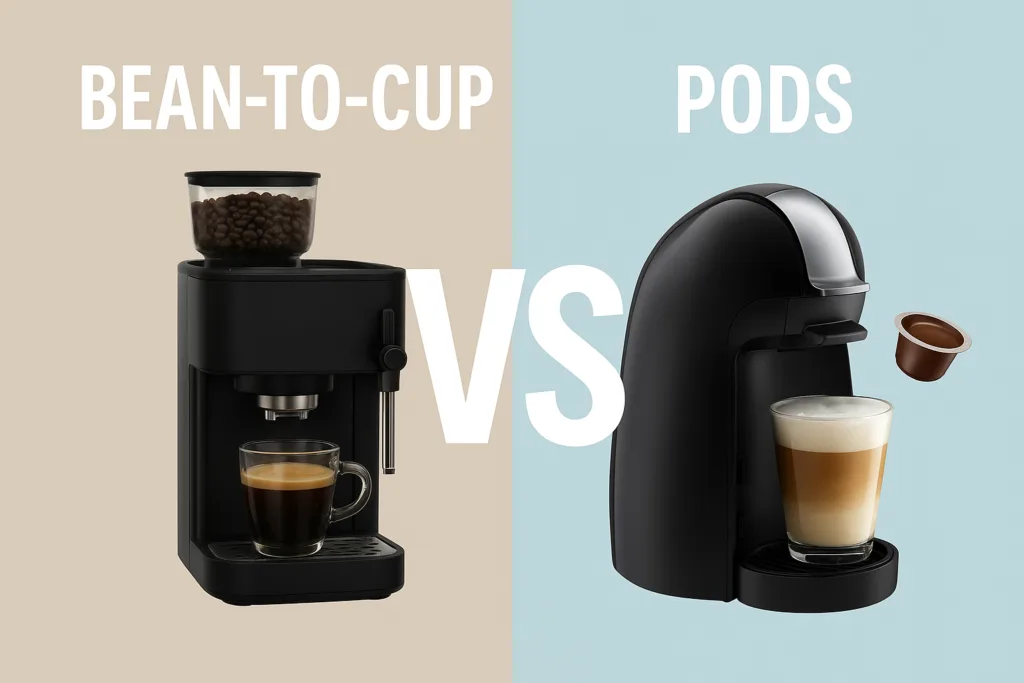
Most folks don’t realize how big the decision between a bean-to-cup vs pods machine really is. But if you’re a tech-savvy homeowner, a renter trying out smart kitchens, or a DIY enthusiast who enjoys tinkering with every part of your home, this choice has a bigger impact on your morning routine than you might realize. And here’s the thing—the bean-to-cup versus pods discussion is full of myths, shaky assumptions, and marketing hype that can really confuse you.
So let’s take a step back. Breathe in.
And walk through what people get wrong before dropping hundreds of dollars on a coffee machine that doesn’t fit their life.
This isn’t one of those “both are great choices!” articles.
Nope.
You’ll get the good, the bad, and the stuff competing blogs awkwardly skip over because it’s messy.
- What Most People Get Wrong About Bean-to-Cup vs Pods Machines
- The "At-a-Glance" Snapshot: Who Wins for Your Lifestyle?
- How Bean-to-Cup Machines Really Work (Explained Without Barista Jargon)
- How Pod Machines Work (And Why People Still Swear by Them)
- Flavor & Freshness: The Unexpected Deal-Breaker
- Cost Comparison: Where the Money Really Goes
- Convenience vs Control: The Lifestyle Question
- Maintenance Reality Check: The Stuff That Actually Happens Weekly
- Environmental Impact: The Part Brands Tiptoe Around
- Space, Noise & Design: The Gotchas Buyers Discover Too Late
- Real-World Use Cases: Who Should Choose What?
- The Bean-to-Cup vs Pods Decision Tool (Short Personality Quiz)
- Final Verdict: When Pods Make Sense—And When They Absolutely Don't
- FAQs
- Conclusion
What Most People Get Wrong About Bean-to-Cup vs Pods Machines
If you hang around any coffee subreddit, smart home forum, or your favorite tech YouTube comments, you’ll see the same misconceptions pop up again and again—like burnt espresso shots.
One common belief? That pod machines are “cheap and cheerful” while bean-to-cup systems are “luxury toys for coffee snobs.” Both wrong. Another? That pod machines always taste stale or artificial—also not always true. And then there’s the idea that bean-to-cup machines are complicated monsters that scream at you if you look at them the wrong way. Wrong again.
The real issue is that people aren’t asking the right questions. They’re focusing on brand names, fancy product photography, capsule colors, and whether the latte in the ad looks Instagram-ready. The real decision comes down to core factors: taste, convenience, cost per cup, maintenance, sustainability, noise, space, and lifestyle alignment.
This guide hits each one without the fluff—and especially without the AI-style generic gloss competitors throw at you.
The “At-a-Glance” Snapshot: Who Wins for Your Lifestyle?
Instead of dumping a giant comparison table here, let’s say this:
- If taste, freshness, milk quality, and long-term cost are your priorities, bean-to-cup often wins.
- If speed, zero mess, compact footprint, and plug-and-play simplicity rule your world, pods are your friend.
But as you’ll see, choosing between them isn’t that black and white. Context matters. How you live matters. Even the size of your countertop matters.
How Bean-to-Cup Machines Really Work (Explained Without Barista Jargon)
Let’s clear the fog. A bean-to-cup machine is basically a tiny café that sits on your counter. You pour in whole beans. It grinds them fresh—on the spot—then tamping, brewing, temperature control, and extraction happen behind the scenes.
Why does that matter?
Freshness. Aroma. Real crema.
Aroma compounds in coffee begin breaking down within minutes of grinding. According to the National Coffee Association, oxygen is coffee’s sworn enemy. Once beans crack open, flavor starts to vanish at lightning speed.
Bean-to-cup machines bypass that entire problem.
You grind → you brew → you drink.
No waiting. No stale grounds. No strange aftertaste.
And if you enjoy cappuccinos, macchiatos, or flat whites, the milk system on these machines is often far richer than anything you’d get from a pod machine’s “milk capsule.”
How Pod Machines Work (And Why People Still Swear by Them)
Pod machines win by removing friction.
Pop in a capsule. Press a button. Coffee appears. Done.
Systems like Nespresso and Keurig use sealed coffee grounds kept in small pods. These pods keep the coffee flavor fairly well, but not as good as when the beans are freshly ground. These systems also make sure each cup tastes the same every time, whether you brew it at 7 a.m. or 7 p.m.
And here’s the kicker: some pod systems actually deliver surprisingly good espresso thanks to years of engineering—especially the ones that use centrifusion or high-pressure pumps.
So yes, pod machines are a good option.
They’re convenient to use.
They’re quick to make a cup of coffee.
They keep things clean and organized.
But there are some downsides.
The coffee might not be as fresh as brewed coffee.
Pods aren’t available everywhere.
And if you drink a lot of coffee every day, it could get expensive over time.
Flavor & Freshness: The Unexpected Deal-Breaker
If you’re chasing the rich aroma and taste that makes you close your eyes after that first sip, freshness matters more than any machine feature. Scientifically speaking, volatile aromatics start evaporating seconds after beans are ground—which is why pre-ground coffee in pods can never taste identical to freshly ground beans.
Pods have an advantage: they’re sealed, slowing oxidation.
But sealed isn’t the same as fresh.
With bean-to-cup, that moment when beans crack under the burr grinder is where magic happens. The aroma hits you instantly. You feel it. You smell it. That’s the difference between café-quality coffee and “good enough.”
But don’t count pods out entirely. Flavored pods can be delightful. Also, for people who prefer lighter, more predictable brews, pods offer that stability.
Cost Comparison: Where the Money Really Goes
Almost every blog online butchers this part. They either oversimplify or make up numbers. Let’s break it down the right way.
Upfront Machine Cost
- Pod machines: $80–$300
- Bean-to-cup machines: $500–$2,200
Per-Cup Cost (Estimated)
- Pods: $0.70–$1.50 per cup
- Fresh beans: $0.20–$0.40 per cup
If you’re a one-cup-a-day person, pods are perfectly reasonable. But if you’re a three-cup-a-day household? Pods will cost you more—often hundreds more—every single year.
Long-Term Math Example
Let’s say you drink two coffees daily:
- Pods: roughly $1.20 per cup → ~$876 per year
- Beans: approximately $0.30 per cup → ~$219 per year
That’s a $657 difference every year.
Enough to buy a second machine, honestly.
This is why serious drinkers eventually migrate to bean-to-cup systems.
Convenience vs Control: The Lifestyle Question
Let’s be real for a second. Some mornings you want a perfectly extracted espresso, steamed milk, the works. Other mornings? You want caffeine now, with zero fuss.
Bean-to-cup wins when you want control: grind size, strength, milk texture, temperature. You get personalization. You get café vibes at home.
Pods win when you want instant gratification. Pod machines don’t ask for anything besides water, power, and a pod.
For tech-savvy smart home folks, here’s the nuance:
You might automate other parts of your morning routine. But when it comes to the actual coffee brewing, ease and speed can matter more than “ultimate control.” This is where pod systems shine—especially for renters, minimalists, or anyone with limited counter space.
“If automation plays a big role in your kitchen setup, you’ll enjoy reading Turn Your Coffee Maker Smart where we break down how to add real convenience without overspending.”
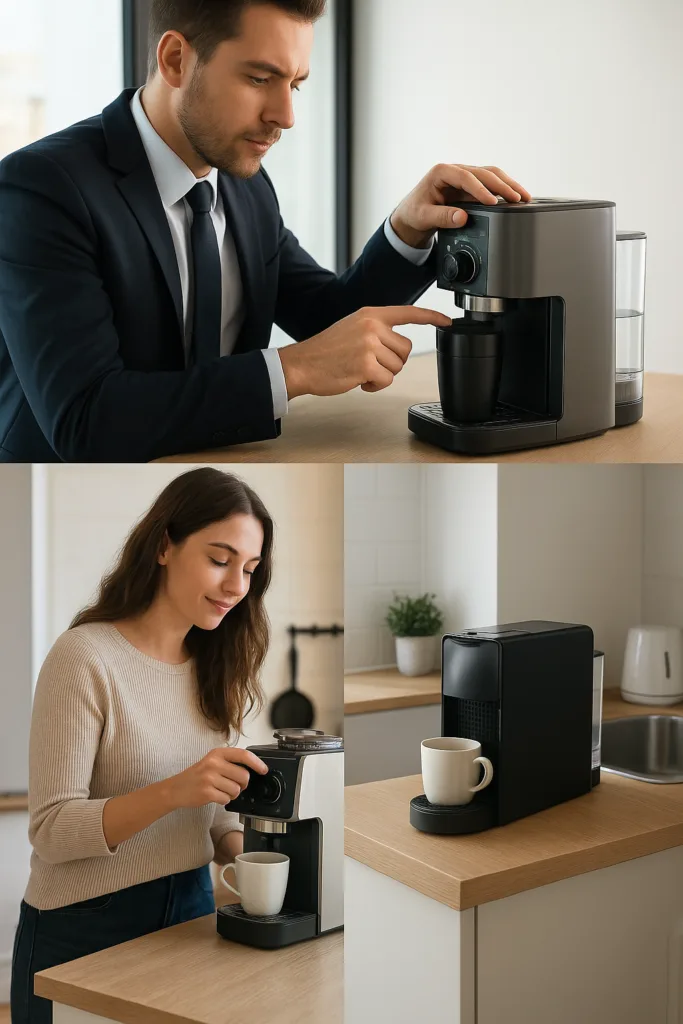
Maintenance Reality Check: The Stuff That Actually Happens Weekly
One thing competitor articles either sugarcoat or completely skip is the true maintenance burden.
Bean-to-cup machines need:
- Weekly cleaning of the brew unit
- Grinder purging
- Milk system rinsing
- Descaling (varies by water hardness)
- Occasional part replacements (like water filters or burr grinder components)
Is it hard? Not really.
Does it take time? Yep.
Pod machines need:
- Occasional descaling
- Emptying spent pods
- Wiping the tray and tank
That’s it.
You could practically clean a pod machine blindfolded.
If your lifestyle is busy, chaotic, or you share a home with folks who “forget” to clean devices, this distinction matters more than you think.
Environmental Impact: The Part Brands Tiptoe Around
Pods get a bad rap, and in many cases, it’s deserved. Single-use pods contribute to waste that often ends up in landfills. While manufacturers like Nespresso promote recycling programs, participation rates vary wildly.
A key point: even “recyclable” pods require consumers actually to recycle them—something many folks don’t do.
On the flip side, coffee grounds from bean-to-cup machines are compostable. They’re practically garden food. Low waste. Minimal packaging.
That said, compostable pods are becoming more widely available. Several brands now offer biodegradable or plant-based pods that break down far more easily. This is an area evolving fast.
But if sustainability is a top priority? Bean-to-cup leans greener.
Space, Noise & Design: The Gotchas Buyers Discover Too Late
Bean-to-cup machines have a reputation:
They’re big. They’re loud. They demand counter space.
And when that grinder starts up at 6:30 a.m., everybody in the house knows.
Pod machines?
Quiet. Minimal footprint. Easy to tuck away.
This is where renters especially need to think ahead. If you’re working with a narrow apartment kitchen or limited outlet access, bean-to-cup machines can feel overwhelming.
Real-World Use Cases: Who Should Choose What?
Let’s put theory aside. Here’s the real-world angle:
Choose Pods If:
- You drink coffee occasionally
- You’re always in a rush
- You have limited counter space
- You want predictable, low-maintenance results
- You enjoy flavored coffee without fuss
- You rent and move often
Choose Bean-to-Cup If:
- You drink multiple cups daily
- You crave fresher, richer taste
- You love customizing your drinks
- You enjoy café-style milk-based beverages
- You want long-term cost savings
- You care about sustainability
There’s no wrong answer—only the wrong machine for your lifestyle.
The Bean-to-Cup vs Pods Decision Tool (Short Personality Quiz)
Ask yourself:
- Do I value absolute convenience above everything?
- Do I drink more than 1–2 cups a day?
- Do I love café-style milk foam?
- Do I care about long-term cost?
- How much counter space do I have?
- How sensitive am I to noise?
- Do I want to reduce waste?
Add up your “yes” answers for each category, and you’ll know exactly where you fall.
Final Verdict: When Pods Make Sense—And When They Absolutely Don’t
Here’s the honest bottom line. Pod systems are perfect for people who want effortless coffee, minimal maintenance, and predictable flavors. They fit renters, solo drinkers, minimalists, and busy professionals.
Bean-to-cup machines shine for those who love taste, control, and value. Over months and years, they outperform pods in flavor and cost by a country mile.
If you’re serious about coffee—even a little—bean-to-cup wins.
If you’re serious about convenience, pods win.
And if you’re somewhere in between?
Start with a pod machine. Upgrade when your taste buds start demanding more.
FAQs
1. Do bean-to-cup machines really taste better than pods?
Most of the time, yes. Bean-to-cup machines grind coffee fresh, which gives a fuller aroma and richer flavor. Pods are convenient but contain pre-ground, sealed coffee that can’t match the complexity of freshly ground beans. If taste is your priority, bean-to-cup almost always wins.
2. Are pod coffee machines cheaper in the long run?
Not if you drink coffee daily. Pods cost more per cup—often three to six times more than whole beans. While pod machines are cheaper upfront, frequent drinkers end up spending significantly more per year on pods. For occasional drinkers, pods make sense. For heavy drinkers, bean-to-cup saves money.
3. Do bean-to-cup machines require a lot of maintenance?
Not a lot—but more than pods. You’ll need to clean the brew group weekly, rinse the milk system, empty the grounds container, and descale periodically. Most machines automate half of this. Pod machines, by comparison, require nearly no maintenance beyond descaling.
4. Are pods eco-friendly?
Most pods aren’t, unless you participate in recycling programs or buy compostable brands. Aluminum and plastic pods contribute to landfill waste. Bean-to-cup systems create compostable grounds with far less environmental impact. If sustainability matters, bean-to-cup is a clear winner.
5. Which machine is better for apartments or small kitchens?
Pod machines are more apartment-friendly. They’re smaller, quieter, and require almost no setup. Bean-to-cup machines take up more space and are louder when grinding beans. If your counter space is limited, a pod system might be the smarter choice.
6. Can pod machines make real espresso?
Some can—especially high-pressure systems like Nespresso Vertuo. They produce crema and a concentrated shot that resembles espresso. However, bean-to-cup machines generally deliver better body, aroma, and consistency. Pods are “espresso-like,” not true café-quality espresso.
7. What’s the best choice for families?
Families who drink multiple cups daily usually benefit from bean-to-cup machines. They offer lower long-term costs and a wider variety of drinks. Pod machines work for families who prefer convenience and lighter coffee, but can get expensive fast.
Conclusion
So here we are. After cutting through the noise, the marketing, and the assumptions, the decision comes down to one thing: your lifestyle. Both systems shine for different reasons. Both can be smart investments. But only one truly fits how you live, how you drink, and how you want your mornings to feel.
If you want freshness, craftsmanship, and long-term value, a bean-to-cup machine is the machine that grows with you.
If you want simplicity, predictability, and stress-free speed, pod systems take the win.
Either way, don’t buy until you’ve matched the machine to your real life.
And if you’re exploring smarter ways to automate your kitchen along the way, check out our guide to Voice Control Your Morning: Alexa & Google Coffee Guide—your next upgrade might be one tap away.
Ready to make the switch?
Pick the machine that matches your lifestyle, not the marketing. Your mornings will thank you.