
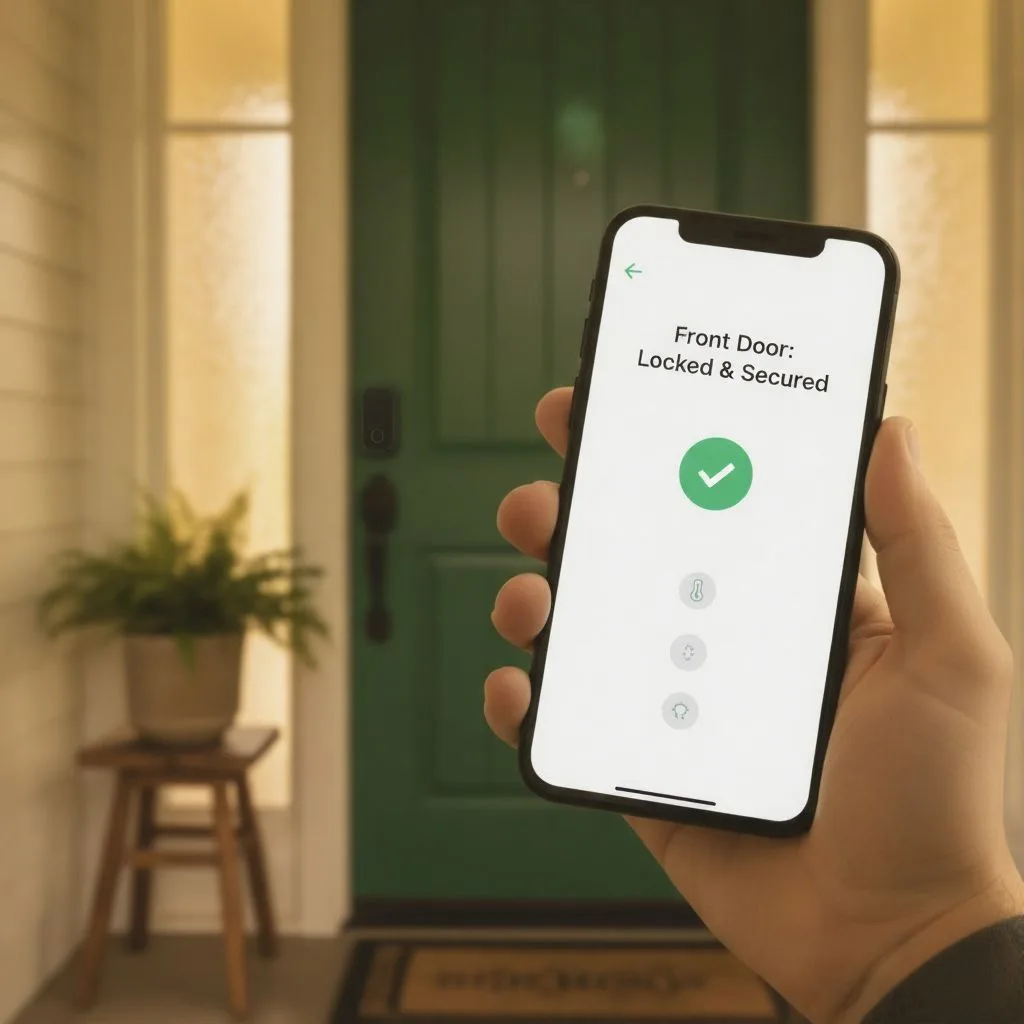
Let’s be honest, fumbling for your keys in the dark after a long day is a universal frustration. That frenzied pocket-patting dance, that sinking feeling when you realize they might be at the bottom of your supermarket bag – it’s a brief moment of pandemonium that we could all do without. Consider a world in which your front door recognizes you and unlocks with a single touch or simply your presence.
The new smart lock sensor provides a real-world solution, not a sci-fi scenario. In an era of interconnected smart homes where convenience and security are important, this small but powerful device is changing the game. The classic lock and key system, which has been essentially untouched for centuries, is now receiving the clever overhaul it deserves.
We’re talking about a leap from a simple mechanical barrier to a sophisticated, keyless entry system that offers unparalleled control and peace of mind.
- What is a Smart Lock Sensor and How Does This Smart Home Device Work?
- The Magic Behind the Scenes: Connectivity and Smart Home Integration
- Benefits of Upgrading to a Smart Lock Sensor Security System
- Choosing the Right Smart Lock Sensor
- How a Smart Lock Sensor Improves Daily Life
- The Future: What's Next for Smart Lock Sensor Technology?
- FAQs
- Conclusion
What is a Smart Lock Sensor and How Does This Smart Home Device Work?
At its core, a smart lock sensor is the brain behind the brawn of a smart lock. It’s the technology that detects your authorized presence and triggers the locking or unlocking mechanism. But how does it actually work its magic? It’s not a one-size-fits-all situation; different smart locks employ various types of sensors to grant access.
Understanding Different Types of Smart Lock Sensors
The type of sensor used by the smart lock will largely influence how you interact with it, offering a unique blend of convenience and security, catering to a variety of preferences and needs.
Biometric Sensors
Remember the futuristic fingerprint scanners in spy movies? They’re now a reality for your front door. Biometric sensors use your fingerprint’s unique patterns to grant access. Your fingerprint is exceedingly difficult to duplicate, making it one of the most secure methods of keyless entry. Talk about personal security!
Proximity Sensors
Proximity sensors are all about effortless entry. These sensors detect a trusted device, like your smartphone or a key fob, as it comes within a certain range. The lock then automatically unlocks, which is a lifesaver when your hands are full. It’s the ultimate in hands-free convenience.
Keypad and Touchscreen Sensors
For those who prefer a more traditional, yet keyless, approach, keypad and touchscreen sensors are a popular choice. You enter a pre-programmed code to unlock the door. This is a great option for granting temporary access to guests, dog walkers, or service providers without having to hand out a physical key.
The Magic Behind the Scenes: Connectivity and Smart Home Integration
A smart lock sensor’s true intelligence is derived from its ability to communicate. This connectivity is what elevates it from a stand-alone gadget to an essential component of your smart home ecosystem.
Bluetooth and Wi-Fi: The Unseen Connection
Most smart locks use a combination of Bluetooth and Wi-Fi to connect to your smartphone and your home network. Bluetooth is used for close-range communication, allowing you to unlock your door when you’re nearby. Wi-Fi, on the other hand, enables remote access so that you can lock or unlock your door from anywhere in the world with an internet connection.
Seamless Smart Home Hub Integration
When a smart lock sensor is combined with a smart home hub such as Amazon Alexa, Google Assistant or Apple HomeKit, its full potential is realized. This lets you control your lock with voice commands and set up automated procedures. For example, you could program a “goodnight” routine to lock your doors, turn out the lights, and adjust the thermostat with a single command. Now that’s what I call living in the future!
Benefits of Upgrading to a Smart Lock Sensor Security System
Beyond the “wow” element, the practical benefits of a smart lock sensor are what truly justify the investment. It’s more than just giving up your keys; it is about achieving a new level of convenience and security that standard locks cannot provide.
Keyless Convenience
The most immediate and obvious benefit is the freedom from physical keys. No more worrying about lost or stolen keys, and no more expensive locksmith bills when you accidentally lock yourself out. Your smartphone or a simple code becomes your key.
Granting Temporary Access with a Smart Entry Lock
Have guests coming to stay? Need to let the plumber in while you’re at work? A smart lock sensor allows you to grant temporary access with unique codes that can be activated for specific times and then deleted. It’s a secure and convenient way to manage access to your home without compromising your primary security.
The Peace of Mind of Remote Locking and Unlocking
Did you ever leave the house and have that nagging feeling that you forgot to lock the door? With a smart lock sensor, you can check the status of your lock and lock it remotely from your smartphone, no matter where you are. This feature alone provides an incredible sense of security and peace of mind.
Enhanced Security Features of an Advanced Door Lock Sensor
While keyless convenience is a huge plus, the primary purpose of any lock is security. And this is where a smart lock sensor truly shines, offering features that go far beyond what a traditional deadbolt can provide.
Real-Time Alerts and Activity Logs for Ultimate Control
A smart lock sensor keeps a detailed log of every time your door is locked or unlocked, and by whom. You can receive real-time notifications on your smartphone, so you always know who is coming and going. This is particularly useful for parents who want to know when their children get home from school.
Tamper Alerts and Built-in Alarms for Intruder Detection
Many smart locks are equipped with sensors that can detect tampering. If someone tries to force the lock, it can sound a built-in alarm and send an immediate alert to your phone. This proactive approach to security can deter potential intruders and give you precious time to react.
In fact, a case study on the August Smart Lock highlighted the importance of robust security measures to prevent unauthorized access.
Choosing the Right Smart Lock Sensor
With a growing number of smart lock sensors on the market, choosing the right one for your needs can feel overwhelming. But don’t you worry, I’ve got your back! By considering a few key factors, you can find the perfect smart lock to secure your connected home.
Top Smart Lock Sensor Competitors in the Market
The smart lock market is brimming with innovative options from trusted brands. Here are a few of the top players to keep an eye on:
August Smart Lock
August is a well-known name in the smart lock world, famous for its easy-to-install retrofit designs. This means you can keep your existing deadbolt and replace the interior thumb turn. It’s a great option for renters or anyone who wants to maintain the exterior look of their door.
Schlage Encode
Schlage has been a trusted name in locks for decades, and their smart locks are no exception. The Schlage Encode features built-in Wi-Fi, so you don’t need a separate hub for remote access. It also comes in a variety of stylish designs to match your home’s aesthetic.
Yale Assure Lock
Yale is another legacy lock brand that has successfully transitioned into the smart home space. Their Assure Lock series is known for its versatility, offering a range of modules that allow you to customize your connectivity options, including Wi-Fi, Bluetooth, and Z-Wave.
Wyze Lock
Wyze has made a name for itself by offering high-quality smart home devices at incredibly affordable prices. The Wyze Lock is a great budget-friendly option that doesn’t skimp on essential features like remote access and auto-unlock.
Key Factors to Consider Before You Buy a Keyless Door Lock
Before you pull the trigger on a new smart lock, there are a few important things to consider to ensure you’re making the right choice for your home.
Compatibility with Your Existing Door and Smart Home Ecosystem
Not all smart locks are compatible with all types of doors. Be sure to check the specifications to ensure the lock will fit your existing deadbolt setup. It’s also crucial to consider compatibility with your existing smart home ecosystem. If you’re already invested in Amazon Alexa, for example, you’ll want to choose a lock that works seamlessly with that platform.
Battery Life and Power Backup Options
Smart locks run on batteries, so it’s important to consider the battery life and what happens when the batteries die. Most smart locks will give you plenty of warning when the batteries are running low, and some even have a backup option, like a 9V battery terminal, so you’re never locked out.
Security, Encryption, and Data Privacy Concerns
When it comes to a device that secures your home, security is non-negotiable. Look for smart locks that use strong encryption, like AES 128-bit, to protect your data. It’s also a good idea to research the manufacturer’s data privacy policies to ensure your personal information is being handled responsibly.
How a Smart Lock Sensor Improves Daily Life
The true value of a smart lock sensor becomes crystal clear when you see how it can simplify and secure your daily routines.
A Case Study in Convenience: The Busy Family
For a busy family, a smart lock sensor can be a game-changer. Parents can grant unique codes to their children, so they don’t have to worry about them losing keys. They can also receive notifications when their kids get home from school, providing peace of mind. And when it’s time for a family vacation, they can grant temporary access to a pet sitter without having to hand over a physical key.
Enhancing Security for Rental Properties and Airbnb
For landlords and Airbnb hosts, a smart lock sensor is a must-have. It eliminates the need to change the locks between tenants and allows for seamless, keyless check-in and check-out. Hosts can create unique access codes for each guest that are only valid for the duration of their stay, enhancing security for both the property and the guests.
A Statistical Look at Smart Home Adoption and Security
The demand for smart home devices is on the rise, with a significant focus on security. In 2025, smart locks saw a 22% adoption rate, often integrated with door sensors and access logs. This growing trend highlights the increasing consumer desire for the convenience and enhanced security that smart lock sensors provide. Furthermore, 52% of homeowners report feeling significantly safer with smart home security systems.
The Future: What’s Next for Smart Lock Sensor Technology?
The world of smart lock sensor technology is constantly evolving, with exciting advancements on the horizon that promise to make our homes even smarter and more secure.
The Rise of Artificial Intelligence in Smart Locks
Artificial intelligence is poised to play a significant role in the future of smart locks. AI-powered locks could learn your daily routines and automatically lock the door when you leave, or even detect unusual activity and alert you to a potential security threat.
Voice Control and Deeper Smart Home Synergy
As voice assistants become more sophisticated, we can expect to see even deeper integration with smart lock sensors. Imagine being able to unlock your door for a guest with a simple voice command, without ever having to reach for your phone. The possibilities for seamless smart home synergy are endless. For more information on how smart home technology is evolving, you can explore resources on smart home statistics.
FAQs
How secure is a smart lock sensor against hacking?
Top-tier smart locks use advanced encryption, similar to what banks use, to protect against hacking. However, like any connected device, it’s crucial to use strong, unique passwords and keep the device’s firmware updated to maintain the highest level of security.
What happens if the power or my Wi-Fi goes out?
Most smart locks operate on batteries, so a power outage won’t affect their ability to function. If your Wi-Fi goes down, you’ll still be able to lock and unlock your door using Bluetooth on your smartphone or the keypad.
Can I install a smart lock sensor myself?
Many smart locks are designed for easy DIY installation and can be set up in under an hour with just a screwdriver. However, if you’re not comfortable with home improvement projects, you can always hire a professional to install it for you.
Are smart lock sensors compatible with all types of doors?
While most smart locks are designed to be compatible with standard deadbolts, it’s always a good idea to check the manufacturer’s specifications to ensure compatibility with your specific door type and thickness.
How long do the batteries in a smart lock sensor typically last?
Battery life can vary depending on the model and usage, but most smart lock sensors will last for several months to a year on a single set of batteries. You’ll also receive low-battery warnings well in advance, so you’ll have plenty of time to replace them.
Conclusion
In a world that is becoming increasingly connected, the smart lock sensor stands out as a truly transformative technology. It’s more than just a convenient gadget; it’s a powerful tool that offers a new level of security, control, and peace of mind. From the keyless convenience of never having to worry about lost keys again to the enhanced security features that keep your home and loved ones safe, the benefits are undeniable. The ability to grant temporary access to guests, receive real-time alerts about who is coming and going, and remotely lock your door from anywhere in the world empowers you with a sense of control that was once unimaginable.
As we’ve seen, the market is filled with innovative options from trusted brands, making it easier than ever to find a smart lock sensor that fits your needs and your budget.
So, are you ready to say goodbye to the anxiety of lost keys and the limitations of traditional locks? The future of home security is here, and it’s time to unlock its full potential. Investing in a smart lock sensor isn’t just an upgrade for your home; it’s an investment in a smarter, safer, and more convenient way of life.