
Home automation has moved from being a futuristic idea to something we use every day, changing the way we live, work, and connect with our homes.
What used to need complicated setups and high costs now easily fits into our daily lives, making our homes more efficient, safer, and comfortable than ever.
Whether you’re excited about technology or just starting to learn about smart home systems, knowing how home automation works in real life can help you choose the right setup for your lifestyle.
This guide covers real examples of home automation that are already improving homes around the world, giving you useful ideas to upgrade your own living space.
- What Makes Home Automation "Everyday"?
- Smart Lighting: The Gateway to Home Automation
- Voice-Controlled Home Assistants: Your Digital Command Center
- Climate Control: Comfort and Efficiency Combined
- Smart Security: Peace of Mind Through Automation
- Cleaning and Maintenance Automation
- Entertainment and Media Automation
- Conclusion: Making Home Automation Work for Your Lifestyle
- Frequently Asked Questions About Home Automation
What Makes Home Automation “Everyday”?
Before exploring specific examples, it’s helpful to first recognize the difference between everyday home automation and high-end luxury setups.
Everyday home automation requires little to no technical knowledge or major lifestyle adjustments. It focuses on practical, easy-to-use systems that fit seamlessly into daily life, requiring little to no technical knowledge or major lifestyle adjustments.
These types of systems usually have a few defining features. They are designed for specified uses operating through simple voice commands, user-friendly smartphone apps, or automated triggers that adapt to your routines and preferences. Just as importantly, they offer affordable entry points, allowing homeowners to get started without expensive renovations or the need for professional installation.
Practical benefits that solve real problems or genuine inconveniences you experience in your current living situation.
Reliable performance that works consistently without frequent troubleshooting or maintenance requirements.
Smart Lighting: The Gateway to Home Automation
Smart lighting systems represent perhaps the most popular and accessible entry point into home automation, and for good reason.
These systems demonstrate immediate, tangible benefits that users can experience from day one of installation.
Morning Routine Automation
For example take Sarah, a busy professional who finds winter mornings especially challenging. She relies on an automated lighting system to make waking up easier which begins to gradually brighten her bedroom about 30 minutes before her alarm goes off. Supporting a healthier circadian rhythm and making mornings more pleasant. This gentle, sunrise-like effect helps her body adjust naturally.
As she moves through her home, motion sensors trigger pathway lighting, ensuring she never stumbles in the dark while heading to the kitchen for her morning coffee.
Evening Wind-Down Sequences
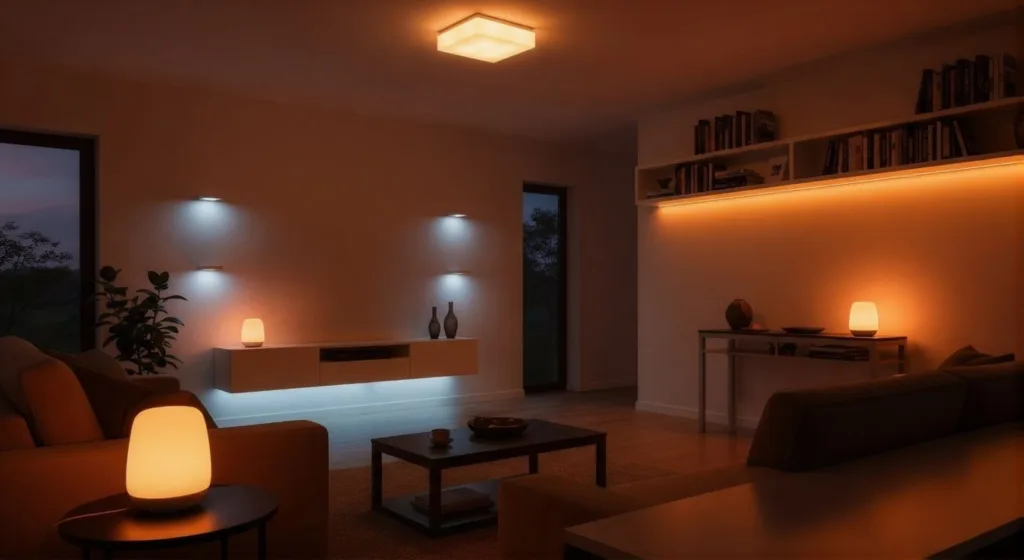
Smart lighting automation really shines during evening routines, when the goal shifts from energizing to relaxing.
At sunset, automated systems can gradually dim lights throughout the home, shifting from bright white light to warm amber tones that promote melatonin production.
Living room lights might dim to 20% while accent lighting creates an ambient atmosphere perfect for reading or watching television.
Energy-Efficient Automation
Beyond convenience, smart lighting examples demonstrate significant energy savings through intelligent automation.
Smart thermostats adjust temperatures based on your schedule, and you can pre-cool rooms, while lighting systems ensure lights are never left on in empty rooms.
Occupancy sensors automatically turn lights off when rooms remain empty for predetermined periods, while daylight sensors adjust artificial lighting based on available natural light.
Voice-Controlled Home Assistants: Your Digital Command Center
Smart assistants like Amazon Alexa, Google Assistant and Josh AI are prime examples, offering voice-controlled operations for everything from lighting to entertainment.
Voice assistants have transformed from novelty gadgets into central command centers for comprehensive home automation systems.
Hands-Free Daily Management
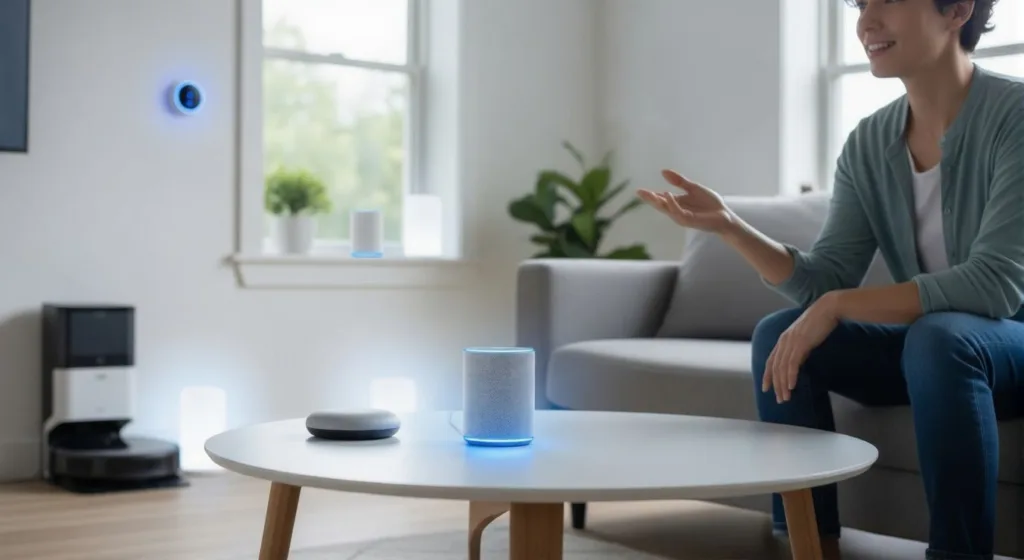
Voice assistants excel in situations where hands-free operation provides genuine convenience and efficiency improvements.
While cooking dinner, you can adjust lighting, set timers, add items to shopping lists, or control music playback without stopping to wash your hands or touch devices.
Parents with young children particularly benefit from voice-controlled automation, as they can manage home systems while their hands are occupied with childcare responsibilities.
The ability to control multiple systems through natural language commands makes smart home automation accessible to users who might otherwise struggle with apps or complex interfaces.
Multi-Room Audio Coordination
Voice assistants shine when coordinating audio experiences throughout the home, creating seamless entertainment environments that adapt to your activities.
Start music in the kitchen while preparing breakfast, then seamlessly transfer playback to the bathroom while getting ready for work, and finally to your car’s audio system as you leave.
Smart Home Integration Hub
Today’s voice assistants act as powerful hubs that bring together a wide range of smart home devices, even when they’re made by different manufacturers.
With just a single command, they can set entire routines into motion—for instance, saying “Good night” could lock the doors, adjust the thermostat, switch off the lights, and arm the security system all at once.
Climate Control: Comfort and Efficiency Combined
Smart thermostats and climate control systems stand out as some of the most transformative applications of home automation, which offer a perfect balance between enhanced comfort and meaningful energy savings.
Intelligent Temperature Scheduling
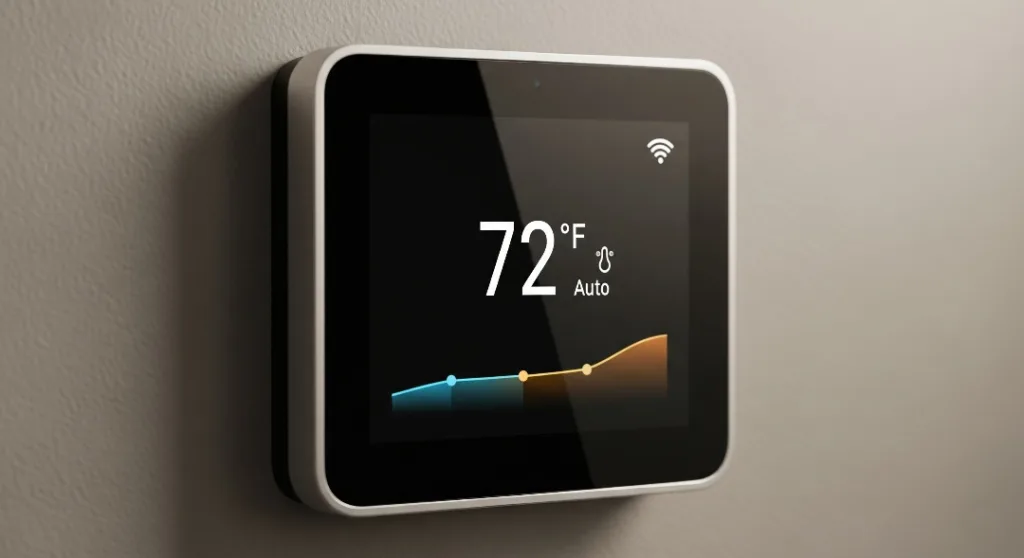
In contrast to traditional programmable thermostats smart climate control systems adapt to your lifestyle. They observe your routines, detect occupancy, and incorporate weather forecasts to manage heating and cooling automatically. This creates an ideal balance of comfort and efficiency, maintaining the perfect temperature without unnecessary energy use.
The result is a balance of comfort and efficiency—keeping your living space at the perfect temperature without wasting energy. For example, the system might start cooling your home on hot summer days around half an hour before you typically get there, so your house is already comfortable when you arrive, without needing to run the air conditioning all day.
Zone-Based Climate Management
Advanced home automation systems allow different parts of your home to be controlled separately, offering customized comfort and helping save energy.
For example, bedrooms can stay cooler during the night, while living areas are kept at a pleasant temperature during the day.
Home offices can be heated or cooled only when someone is working there, and guest rooms use minimal climate control until someone is detected in them.
Weather-Responsive Adjustments
Modern climate automation systems integrate with weather forecasting services to make proactive adjustments based on changing outdoor conditions.
Before an unexpected hot spell, the system might pre-cool your home using cheaper off-peak electricity rates, then reduce cooling demand during expensive peak hours.
Similarly, during cold snaps, the system can gradually adjust heating schedules to maintain comfort while avoiding expensive emergency heating demands.
Smart Security: Peace of Mind Through Automation
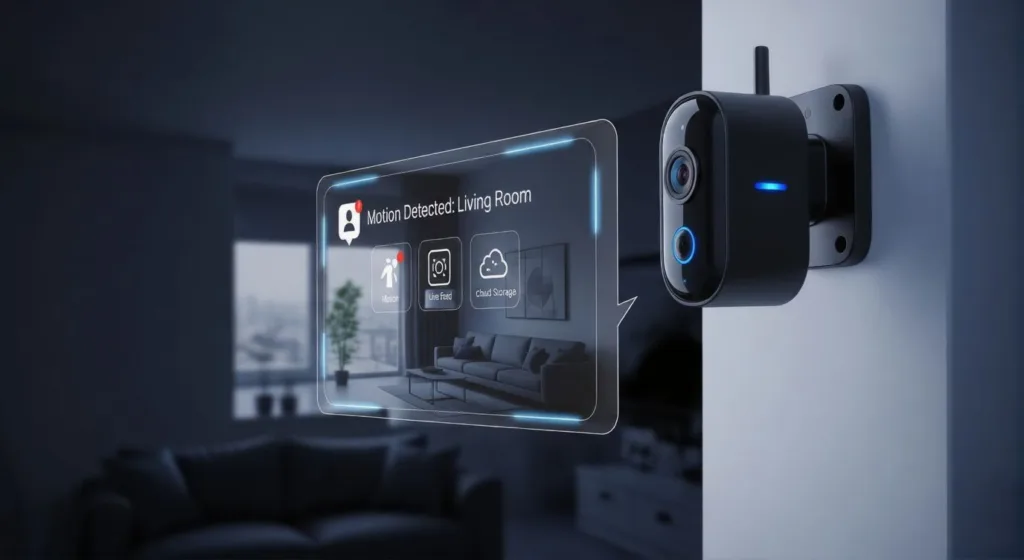
Smart locks provide keyless entry and can automatically lock doors, while smart doorbells offer real-time surveillance and motion detection.
Home security automation provides both active protection and peace of mind through intelligent monitoring and response systems.
Automated Entry Management
Smart lock systems eliminate concerns about forgotten keys while providing enhanced security through automated locking schedules and access monitoring.
Doors automatically lock at predetermined times each evening, while temporary access codes can be created for service providers, house sitters, or guests.
When you go to work, the system can automatically turn on all the locks and start the security cameras, making sure your home is safe without needing you to check each security feature manually.
Intelligent Surveillance Response
Modern security automation goes beyond simple recording by actively analyzing activities and responding intelligently to different types of events.
Motion detection systems can recognize the difference between family members, pets, delivery people, and potential intruders, and they act based on what’s happening.
For example, the system might send a message and begin a specific recording when a delivery person arrives. However, if there’s unusual movement during the night, it could turn on the lights and send an alert immediately.
Integration with Emergency Services
Advanced home security systems can work together with emergency services when serious threats are found, which may help speed up the response during real emergencies.
Smoke detectors connected to smart systems can automatically call the fire department while turning on emergency lights and unlocking doors so firefighters can get in quickly.
If a security issue occurs, the system can quickly notify the police and activate security measures such as outdoor lighting and noisy alarms.
Kitchen Automation: Making Daily Nutrition Easier
Smart kitchen devices show how home automation can improve everyday nutrition by making meal planning and cooking faster and simpler.
Automated Meal Planning
Smart refrigerators, ovens, and washing machines can be remotely controlled and programmed. They optimize the use of resources, adapt to user preferences, and assist in daily chores.
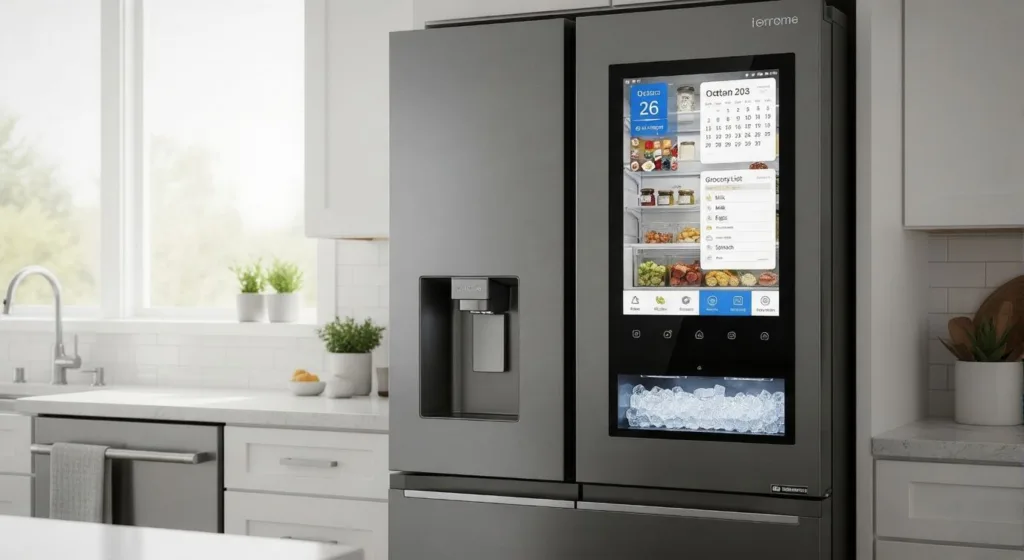
Smart refrigerators track food inventory, monitor expiration dates, and suggest meal ideas based on available ingredients, reducing food waste while inspiring varied nutrition.
These systems can automatically add items to shopping lists when supplies run low, ensuring you never run out of essential ingredients for your favorite recipes.
Integration with meal planning apps helps coordinate grocery shopping with planned meals, streamlining the entire process from planning to preparation.
Precision Cooking Automation
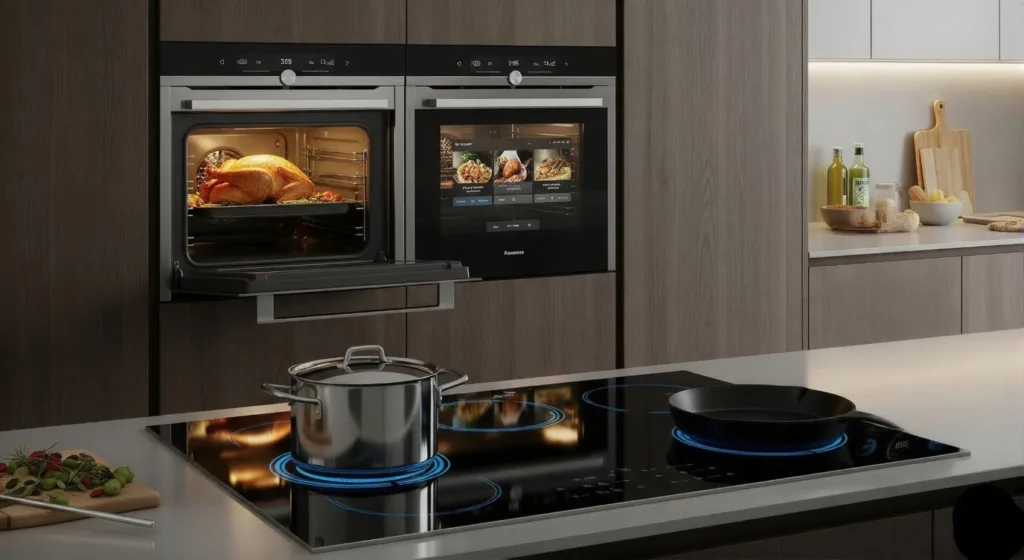
Smart ovens and cooktops let you control temperature and timing accurately, which helps you get the same good results every time and makes cooking easier with less need to watch over the process.
Sous vide cooking lets you cook proteins to the perfect temperature even when you’re busy at work, giving you restaurant-style meals with not much effort on your part.
Multi-step cooking programs can change temperatures and cooking styles automatically as recipes get more complicated, so you can make fancy dishes without having to keep checking in on them all the time.
Waste Reduction Through Monitoring
Kitchen automation systems help reduce food waste through intelligent monitoring and reminder systems that encourage the consumption of perishable items before spoilage.
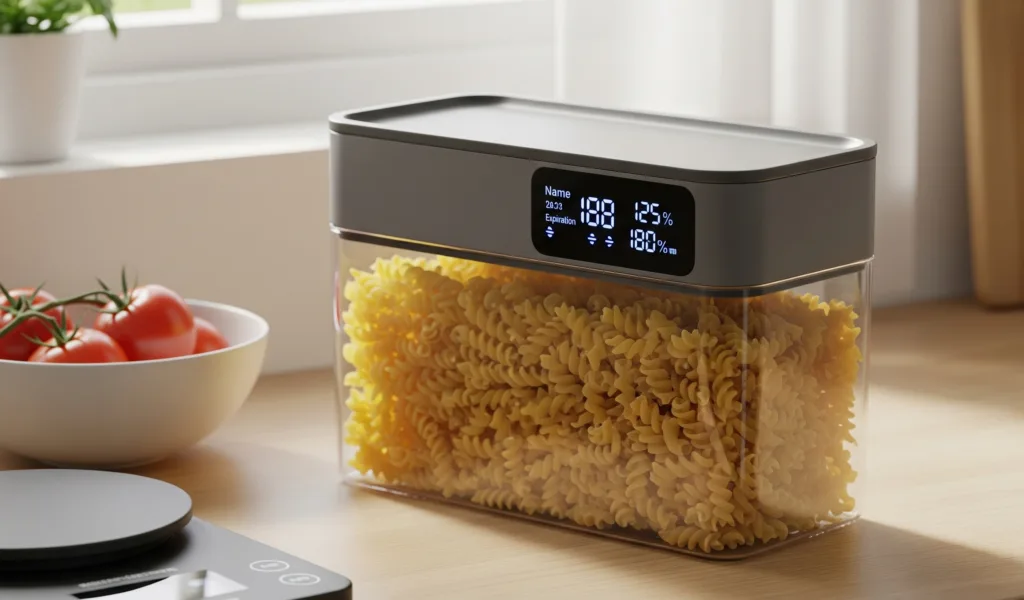
Smart storage containers monitor food freshness and send alerts when items are approaching expiration dates, helping families consume groceries before they spoil.
Inventory tracking helps avoid buying too much while making sure that commonly used ingredients are always available, which makes the best use of food and helps keep grocery costs under control.
Cleaning and Maintenance Automation
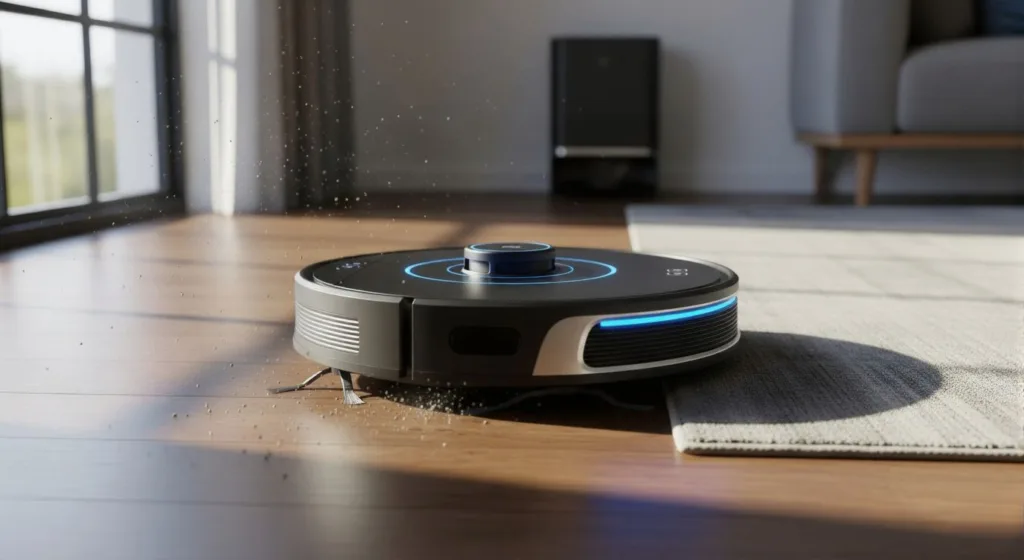
Your robot vacuum works while you’re at work, showing how automated maintenance systems can take care of everyday house tasks with very little need for human help.
Robotic vacuum systems have moved past just cleaning floors to offer full floor care that fits your way of living and the design of your home.
These systems learn about the layout of your home, recognize areas that get used a lot and need more cleaning, and navigate around objects to make sure every reachable part of the floor gets cleaned properly.
Newer models can recognize different floor types, such as hardwood, carpet, and tile, and change their suction power and cleaning approach to suit each surface best.
Automated Lawn Care
Smart sprinkler systems maintain optimal lawn and garden health while conserving water through intelligent scheduling and weather monitoring.
Soil moisture sensors stop you from giving too much water while making sure plants get just the right amount of water they need, not based on a fixed timetable.
Weather integration helps by skipping watering when it rains and changes how long it waters based on the temperature and humidity throughout the seasons.
Air Quality Management
Automated air quality systems monitor indoor air conditions and respond automatically to maintain optimal breathing environments for your family.
Air purifiers activate when pollen counts rise or when cooking activities increase particulate levels in kitchen areas.
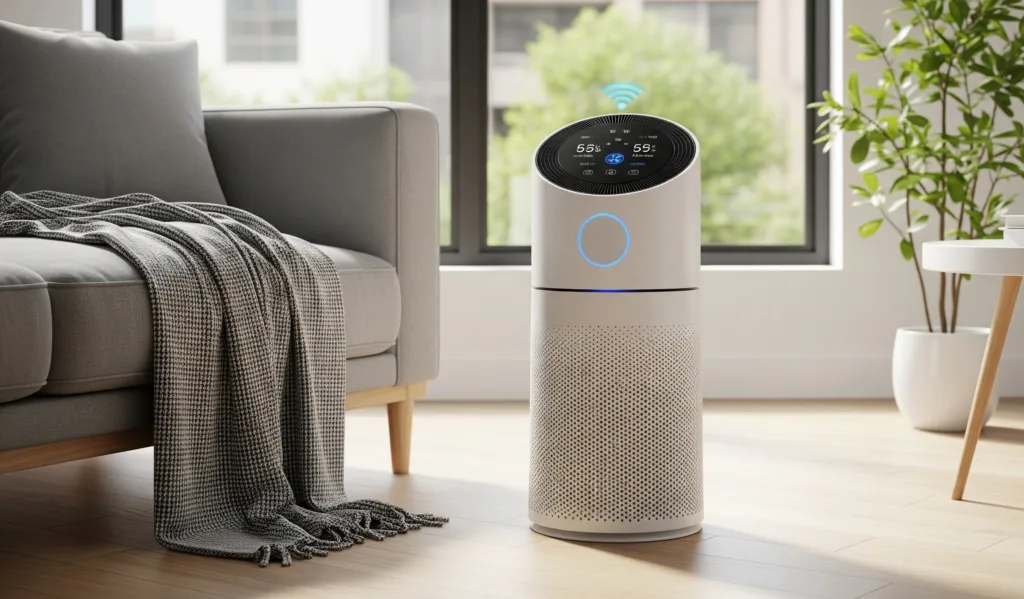
Humidity control systems help stop mold from growing while keeping the air moist enough to be comfortable and good for your breathing and to protect wooden floors.
Entertainment and Media Automation
Smart entertainment systems create immersive experiences that adapt to different activities while simplifying the complexity typically associated with modern audio-visual equipment.
Activity-Based Scenes
Home theater automation can quickly set up lighting, sound volume, screen settings, and even room temperature for different types of entertainment.
When watching a movie, the lights can be dimmed to match a theater, surround sound can be turned on, and the air conditioning can be adjusted for comfort during long sessions.
For video gaming, the lights can be made brighter with special accent lighting, the display can be set up for gaming, and the audio can be adjusted to make communication clearer during online multiplayer games.
Multi-Room Entertainment Coordination
Automated audio systems seamlessly coordinate music and audio content across multiple rooms, creating whole-home entertainment experiences that follow your movement through the space.
Party modes can synchronize music throughout common areas while maintaining independent control in private spaces like bedrooms or home offices.
Morning routines can include having news broadcasts play in the kitchen as you make breakfast, and then switching to upbeat music in the bedroom as you get dressed.
Content Personalization
Smart entertainment systems learn from what you watch and listen to, offering personalized recommendations and automatically organizing content that fits your tastes.
Streaming services integration allows you to use voice commands to search for shows or movies on various platforms, so you don’t have to look through each app one by one.
Laundry and wardrobe management
It involves automated laundry systems, which are not often talked about but can have a big impact on your daily routine and how you organize your clothes.
Smart Washing and Drying
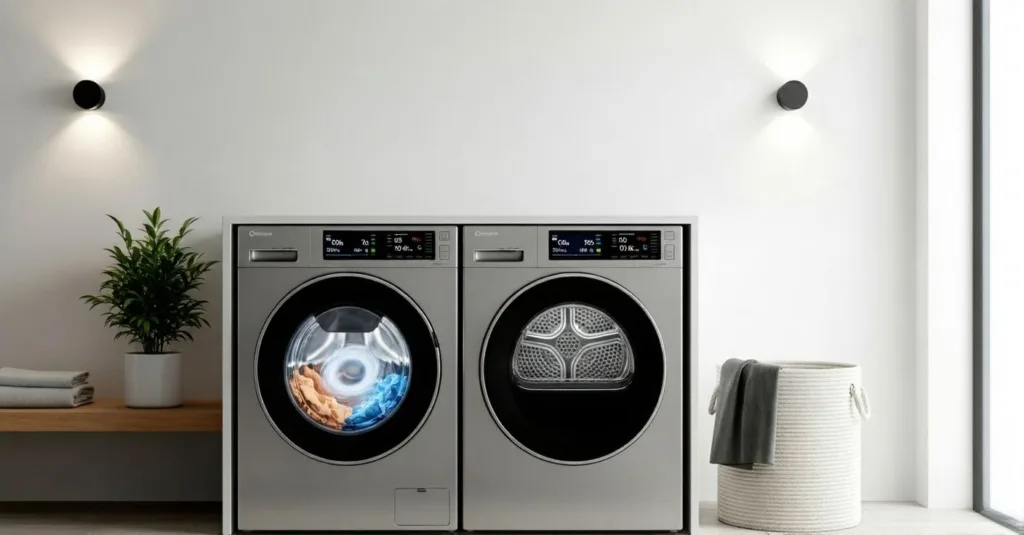
Connected washers and dryers provide remote monitoring and control that eliminates the guesswork from laundry care while preventing over-drying or extended wet periods that cause odors.
Smartphone notifications alert you when cycles complete, preventing clothes from sitting in machines and developing wrinkles or musty smells.
Automatic detergent dispensing helps achieve the best cleaning results while avoiding waste caused by incorrect measurements or forgetting to add fabric softener.
Wardrobe Planning Integration
Smart closet systems can take pictures and organize your clothes, building a digital wardrobe that makes it easier to plan and match outfits.
Weather integration helps you pick the right clothes by looking at the weather forecast, and calendar integration can tell you whether to wear business casual or formal clothes based on your schedule.
These systems ensure you always have clean, appropriate clothes ready for your next activities, while making the best use of what you already own.
Water Management and Conservation
Smart water systems make it easier to manage water use and help save water by keeping track of how much is used and adjusting automatically to meet your home’s needs.
Leak Detection and Prevention
These systems can detect strange water usage patterns that might mean there’s a leak or a problem with the plumbing, helping to prevent serious damage before it happens.
Smart water shutoff systems can automatically stop water flow when major leaks are detected, potentially preventing thousands of dollars in water damage while you’re away from home.
Usage tracking helps identify opportunities for conservation while ensuring adequate supply for essential household needs.
Hot Water Optimization
Smart water heaters learn how much hot water your family uses and heat it only when needed, helping save energy while making sure hot water is always available when you need it.
Vacation modes lower hot water production when you’re away for a long time, and pre-heating cycles make sure there’s enough hot water ready for your morning shower or evening bath.
Getting Started: Practical Implementation Steps
Setting up home automation doesn’t need big investments or major home changes to give real benefits.
Begin with High-Impact, Low-Cost Solutions
Smart plugs are a cost-effective way to start automating your existing appliances and electronics without buying new stuff or needing technical skills.
These devices can control lamps, fans, coffee makers, and other plug-in appliances through smartphone apps or voice commands, providing immediate automation benefits.
Smart bulbs can be installed in existing fixtures to provide advanced lighting control without electrical work or permanent modifications to your home.
Focus on Daily Pain Points
Find out which specific problems or things that aren’t working well in your daily schedule can be fixed by home automation.
If you often forget to lock the doors or switch off the lights, begin with smart locks and lighting systems that can handle these important tasks automatically, helping with both security and saving energy.
For families with complex schedules, voice assistants and smart thermostats might provide the most immediate benefits through simplified home management and automatic comfort adjustments.
Plan for Integration and Expansion
Choose smart home devices that work together through common platforms like Amazon Alexa, Google Assistant, or Apple HomeKit to ensure future compatibility and expanded functionality.
Start with one ecosystem and gradually add compatible devices rather than mixing incompatible systems that can’t communicate effectively.
This method allows your home automation system to grow and change as your needs do, while still working reliably and offering easy control from one place.
Future Trends in Everyday Home Automation
Smart home devices will use advanced AI to understand your habits, predict what you need, and handle tasks automatically without you having to ask.
The future of home automation will include even smarter systems that are simpler to use, require less from you, and provide greater comfort, safety, and energy efficiency.
Predictive Automation
Future smart home systems will anticipate your needs before you even ask, by looking at things like your daily schedule, the weather, your calendar, and even your health information to take action in advance, rather than just reacting to your commands.
Instead of programming schedules, these systems will learn from your behavior and automatically adjust home environments to match your evolving preferences and requirements.
Enhanced Health Monitoring
Health-focused automation will monitor air quality, lighting conditions, temperature, and humidity to create environments that actively support physical and mental well-being.
Sleep optimization systems automatically change different environmental factors to help you get better rest, and activity monitoring can encourage you to move more and develop healthier habits all day long.
Sustainability Integration
Future home automation will use renewable energy sources, energy storage systems, and grid management to lower environmental impact and cut down on utility bills. These systems will automatically adjust when energy is used, moving it to times when renewable sources are plentiful or when the grid is less busy, making sustainable living easier and more cost-effective.
Conclusion: Making Home Automation Work for Your Lifestyle
Everyday examples of home automation demonstrate that smart technology has moved far beyond novelty gadgets to become practical tools that genuinely improve daily life.
From smart lighting that creates perfect ambiance for any activity to voice assistants that streamline complex home management tasks, home automation offers solutions for virtually every aspect of modern living.
The key to successful implementation lies in focusing on systems that address real problems in your specific lifestyle rather than adopting technology for its own sake.
Start with one or two high-impact areas that frustrate you most in your current routines, then gradually expand your smart home ecosystem as you become comfortable with the technology and identify additional opportunities for improvement.
Home automation works best when it fits naturally into your daily routines, making everyday tasks simpler and more efficient without forcing you to learn complicated new routines or change how you live.
Suppose you’re looking for ways to save energy, boost security, increase comfort, or want to experience the benefits of smart home technology. In that case, there are easy-to-use solutions that offer real advantages right away and lasting value over time.
The future of home living is already here, and it’s more practical, cost-effective, and beneficial than ever.
Make changes that fit your lifestyle with smart home automation that actually works for how you live.
Frequently Asked Questions About Home Automation
What are the most popular everyday home automation examples for beginners?
Smart lighting, voice assistants (Alexa/Google), and smart thermostats. They’re affordable, easy to install, and provide immediate benefits.
How much does basic home automation cost to implement?
$50-100 for starter items like smart plugs and bulbs. Comprehensive systems range $2,000-10,000, but most people start small and expand gradually.
Can home automation really save money on utility bills?
Yes, typically 10-25% savings on energy costs. Smart thermostats often pay for themselves within 1-2 years through reduced heating/cooling expenses.
What happens to home automation during power outages?
Most devices stop working, but security systems and smoke detectors usually have battery backup. Smart locks often include manual overrides and backup power.
Is home automation difficult to install and maintain?
Modern systems are built for easy do-it-yourself installation and come with straightforward setup guides. They often update on their own and require very little maintenance.
Can different smart home brands work together?
Yes, through common platforms like Alexa, Google Assistant, or Apple HomeKit. Stick to one ecosystem for best compatibility.